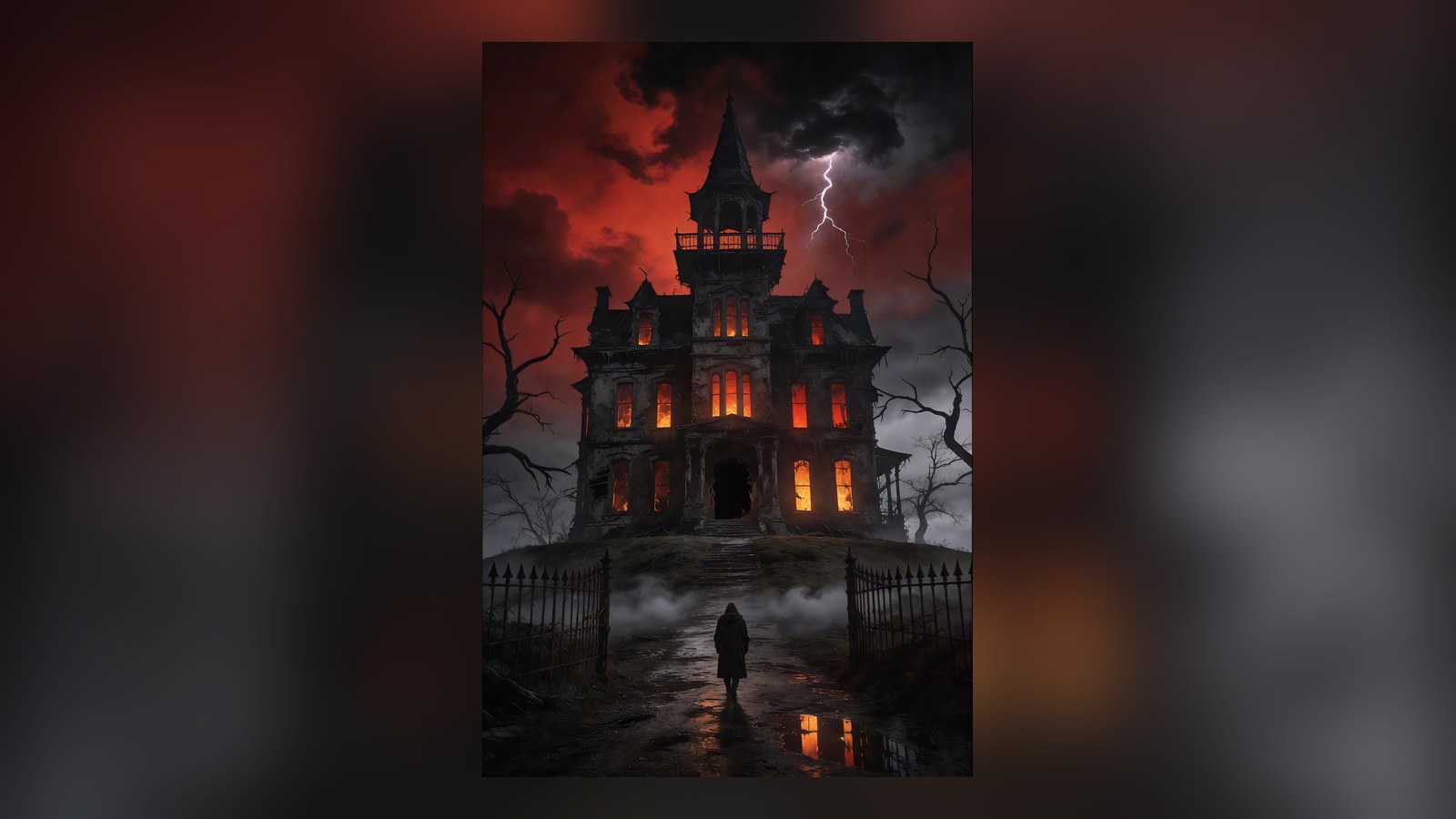

Escape
Horror — 4 Books
Something is wrong. You wake up in a room you don't recognize with no memory of how you got there. The architecture around you bends in ways that shouldn't be possible. The walls breathe. And somewhere deeper in the darkness, something is waiting — patient, deliberate, and very interested in what you'll do next.
You've been here before. You just don't remember it yet.
That's the setup for the Escape series, and I want to be honest with you right from the start: this is not a series where the protagonist gets to win. Thomas Crane wakes into nightmare after nightmare across four different historical horror locations — a Victorian manor, an isolated shoreline, a medieval castle, a pharaoh's condemned tomb — with his memories systematically erased between each iteration. Each time he starts over. Each time, he slowly pieces together that he's been here before.
The thing that drew me to this series is the villains. Every antagonist in Escape shares the same fundamental wound: they all lost someone they loved, they all refused to accept that loss, and that refusal transformed them into something monstrous. Dr. Harrow. William Thorne. King Aldric. Pharaoh Kha-em-Waset. Different centuries, different horrors, same grief. By the time you reach The Temple, the pattern has been hiding in plain sight since page one — and recognizing it changes everything you read before.
This is psychological horror with genuine stakes. No safety net. No guaranteed escape.
The Books
Book 1: The Manor
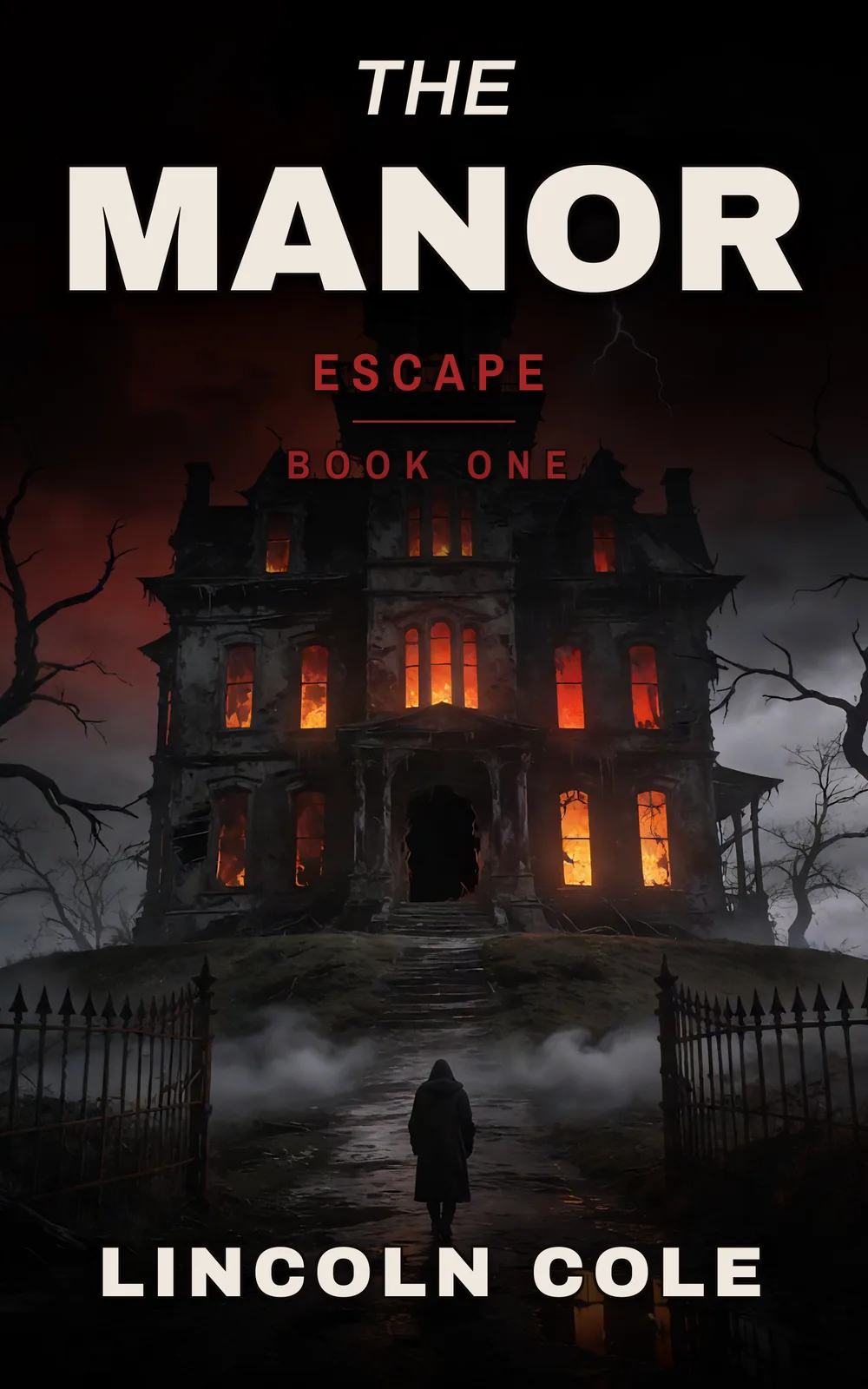
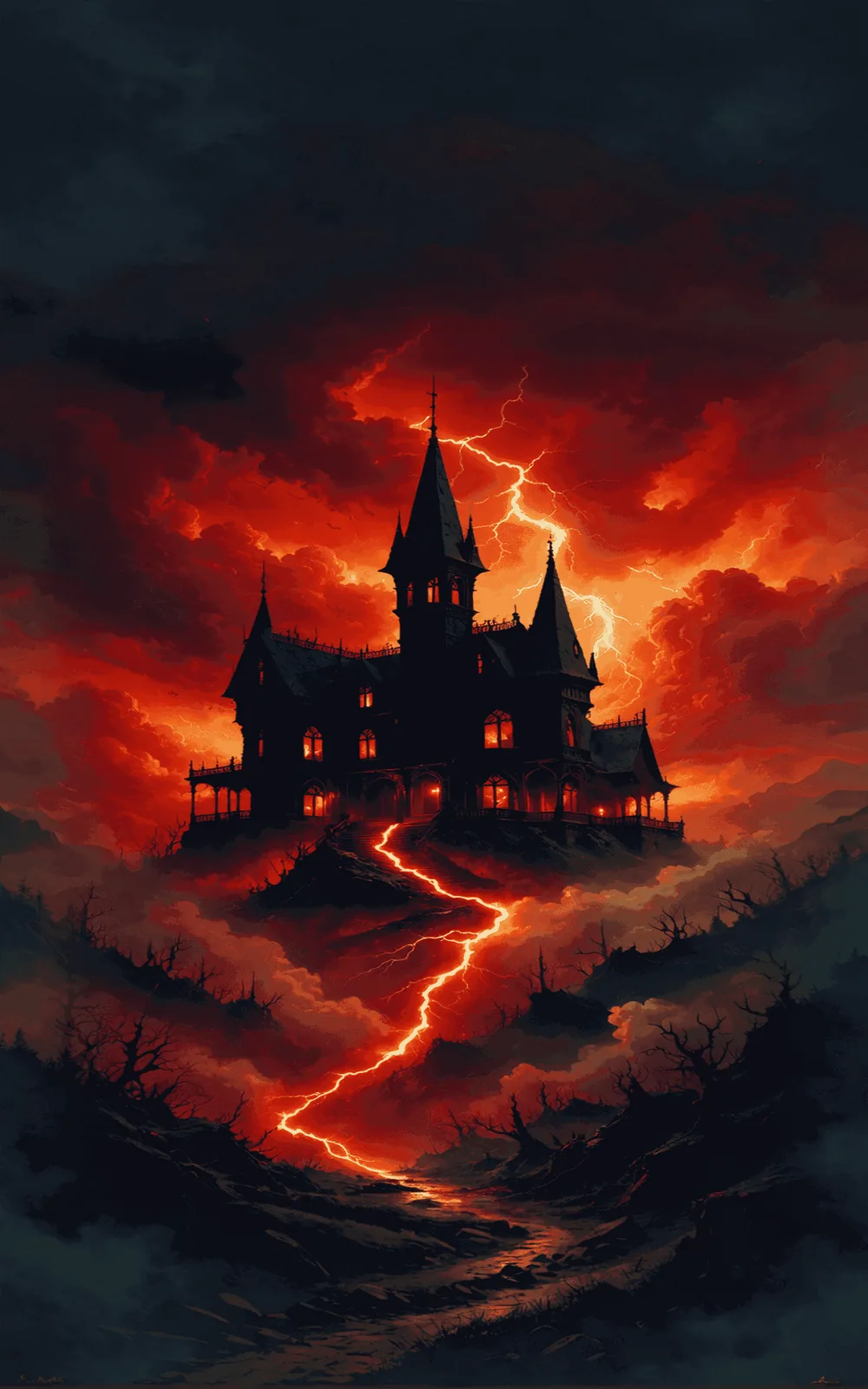
Thomas Crane wakes in a blood-stained Victorian attic with a single note: good luck. No memory. No idea how he got there. What follows is a descent through impossible architecture — possessed mannequins, transformation chambers, a forest that herds victims toward their fate — where 151 graves mark decades of failed experiments and Dr. James Harrow waits in the dark. Harrow discovered ancient technology capable of trapping consciousness between life and death, and spent 70 years sacrificing people in his attempt to resurrect his seven-year-old daughter Violet.
Thomas must choose: escape alone, or destroy the Black Altar and free every trapped soul.
Book 2: The Shoreline
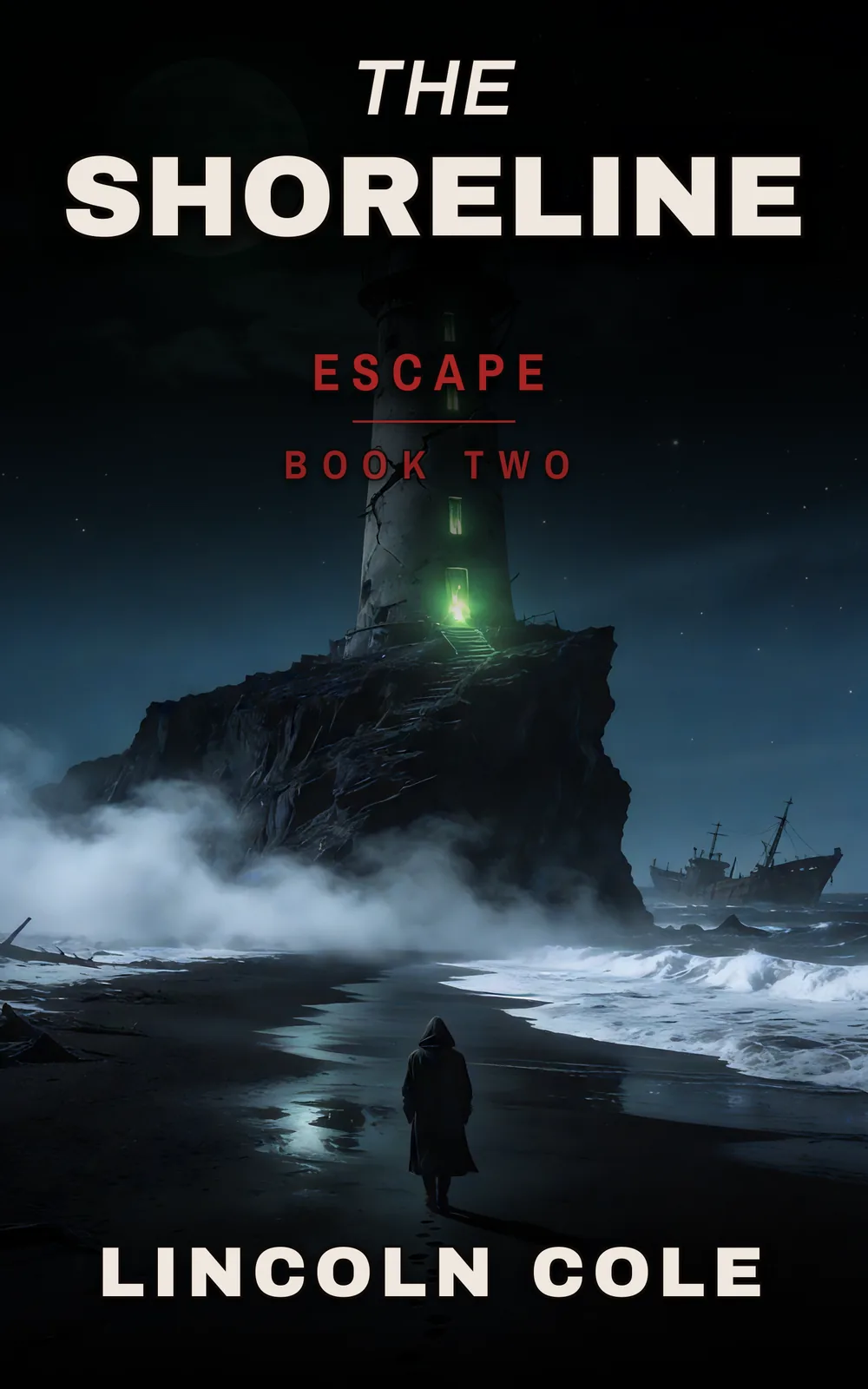
They escaped the Manor. They thought it was over.
Five survivors wake on an isolated beach with no memory of how they arrived. The shoreline stretches endlessly. Something moves beneath the waves. The tide is rising. The Shoreline expands the nightmare: this is iteration seventeen. Thomas has been through this cycle sixteen times before, always with his memories erased, always hunted through lighthouses and caves and corrupted churches toward the same ending.
William Thorne — a man transformed by grief into something the series calls a Doctor entity — is waiting.
Book 3: The Castle
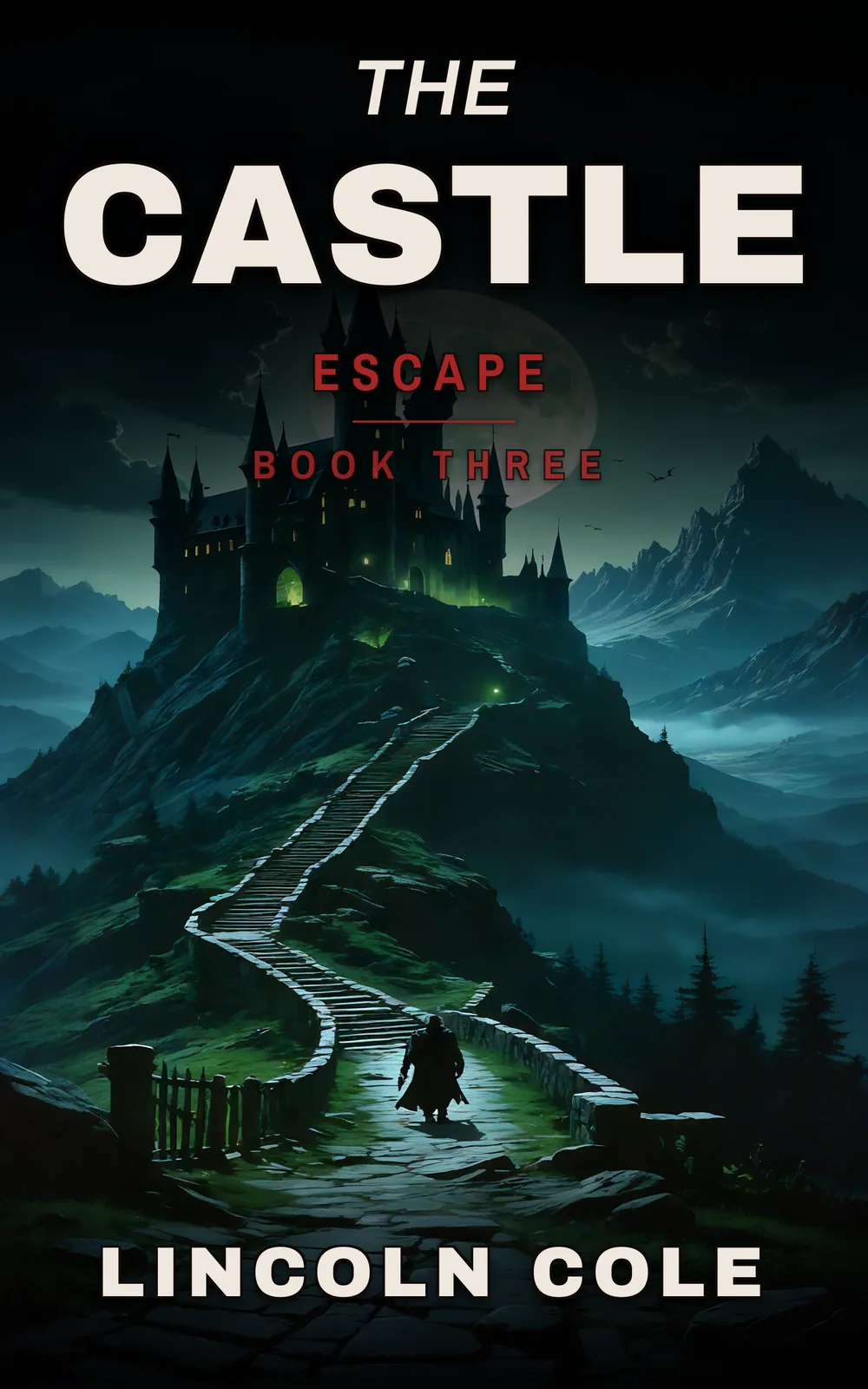
A medieval dungeon. Modern prisoners. Eight hundred years of trapped souls.
Thomas wakes in chains beneath a fortress of stone and shadow. King Aldric the Third — a monarch who sacrificed seven of his own knights for immortality and refuses to accept that his actions were wrong — has been waiting centuries for worthy players. Every room holds a deadly secret. Every corridor leads to betrayal. And the master of the Castle offers Thomas a seat at his eternal feast, genuinely unable to understand why anyone would refuse.
Coming soon to Amazon.
Book 4: The Temple
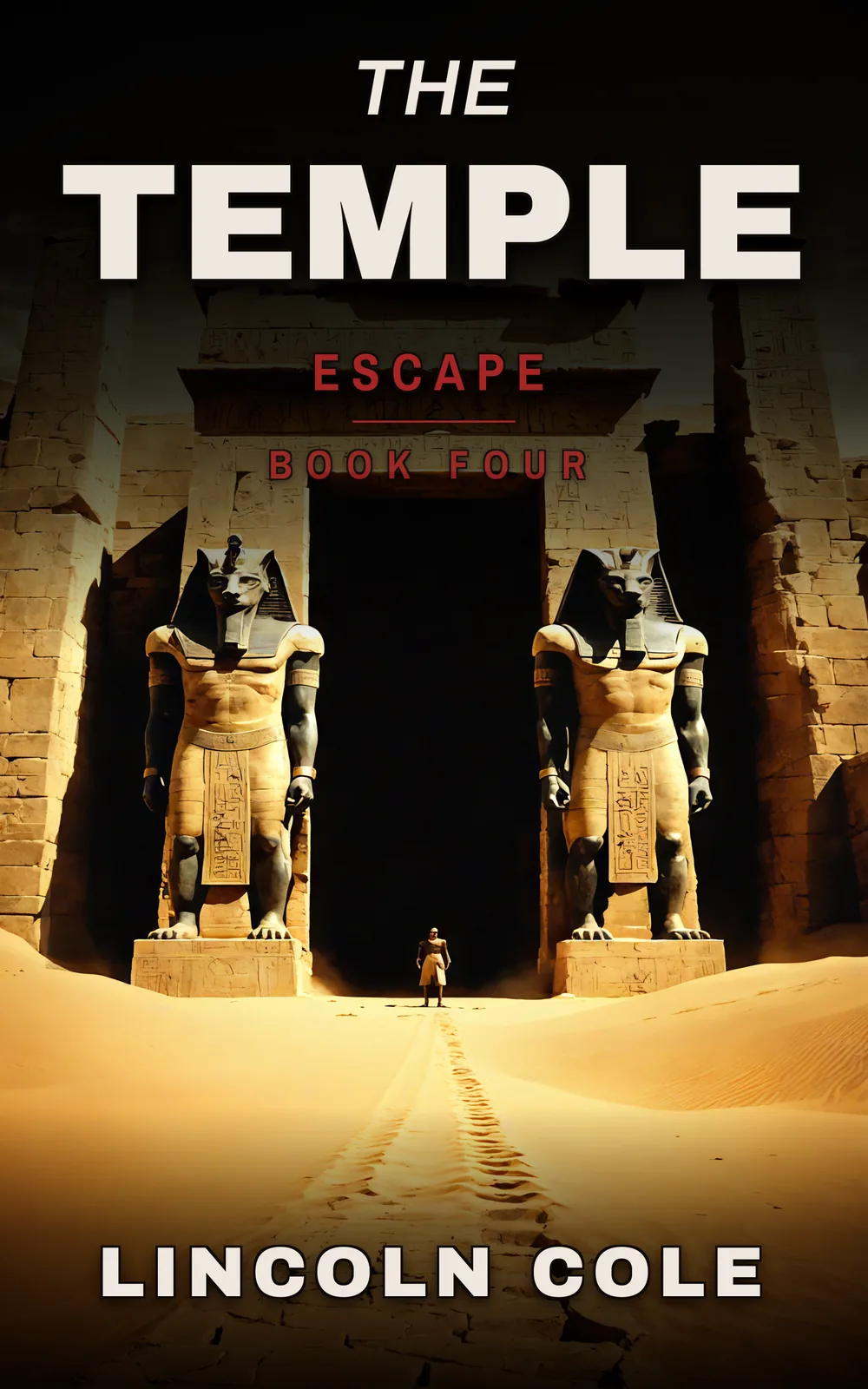
Deep beneath the Sahara, Thomas awakens inside a sarcophagus.
Pharaoh Kha-em-Waset — condemned by the gods, imprisoned for three thousand years — has perverted the sacred mummification rites into living torture in his endless quest for godhood. Egyptian gods appear to test Thomas: his purpose, his judgment, his grief, his endurance. And here, finally, the pattern becomes visible. Every nightmare location is connected. Every Doctor entity is the same wound wearing different centuries. To escape, Thomas must show the pharaoh something Kha-em-Waset cannot face: that love carried as a gift surpasses loss carried as a burden.
Coming soon to Amazon.
Meet the Characters
Thomas Crane — Protagonist

The series protagonist. Thomas is trapped in an eternal cycle of consciousness prisons with his memories erased between iterations. Each time he wakes, he starts over in a new nightmare. Each time, something in him keeps fighting — assembling fragments of memory, recognizing patterns, making choices that define who he is even when the world is designed to break him.
Dr. Harrow — Antagonist, Book 1
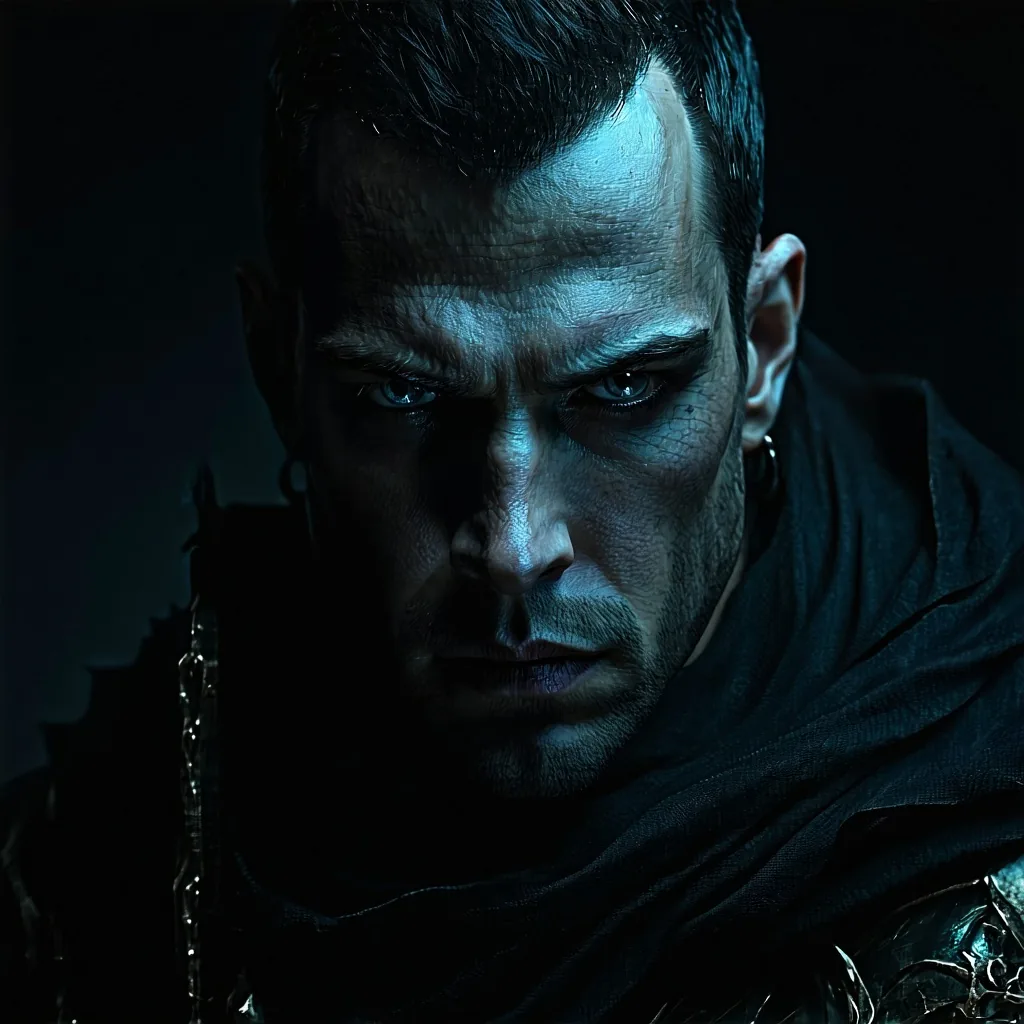
The grief-driven doctor of The Manor. Harrow discovered ancient technology capable of trapping consciousness between life and death, and spent 70 years sacrificing victims trying to bring back his seven-year-old daughter. He represents the first and most intimate expression of the grief-as-monstrosity pattern that defines the entire series.
William Thorne — Antagonist, Book 2
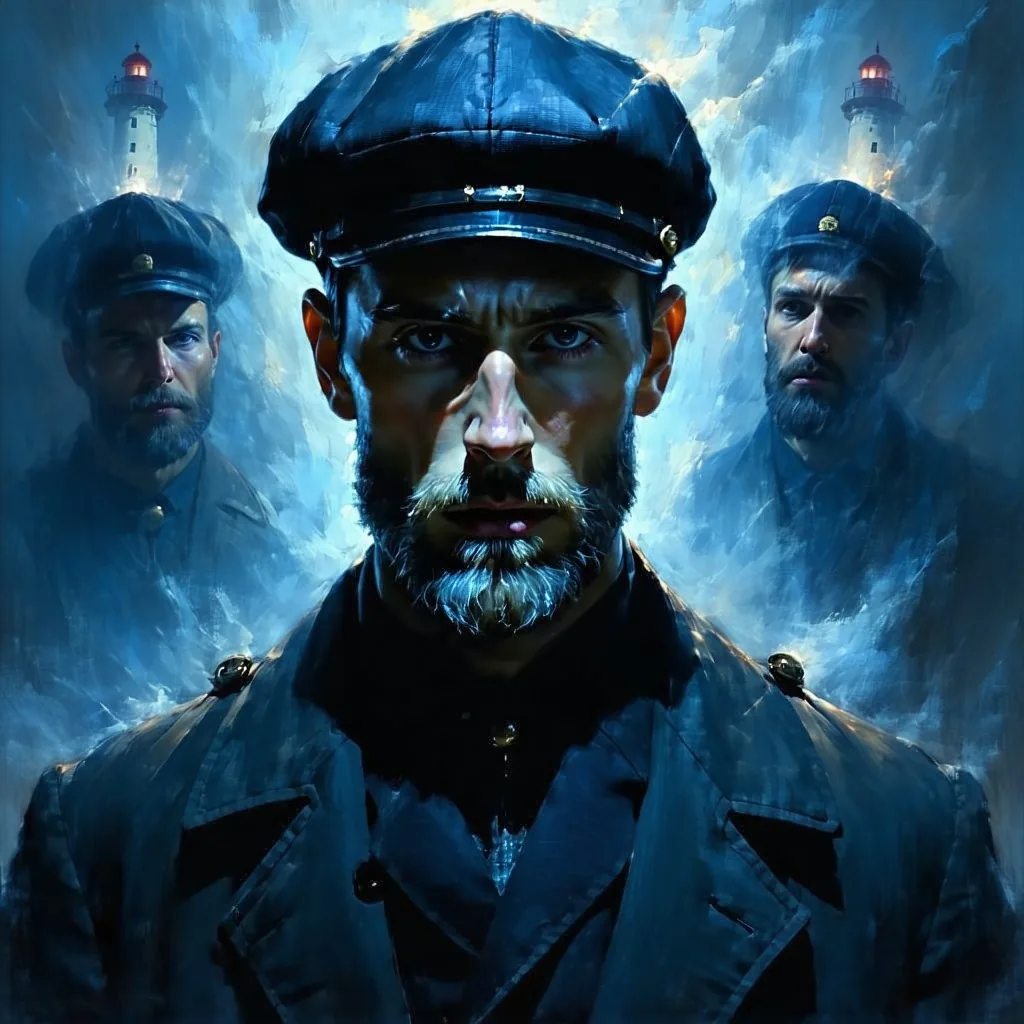
The tragic antagonist of The Shoreline. William Thorne was transformed by grief into a Doctor entity — part of the pattern shared by all primary antagonists across time. Of all the villains in Escape, Thorne reads as the most human, the most understandable, and perhaps the most heartbreaking.
King Aldric the Third — Antagonist, Book 3
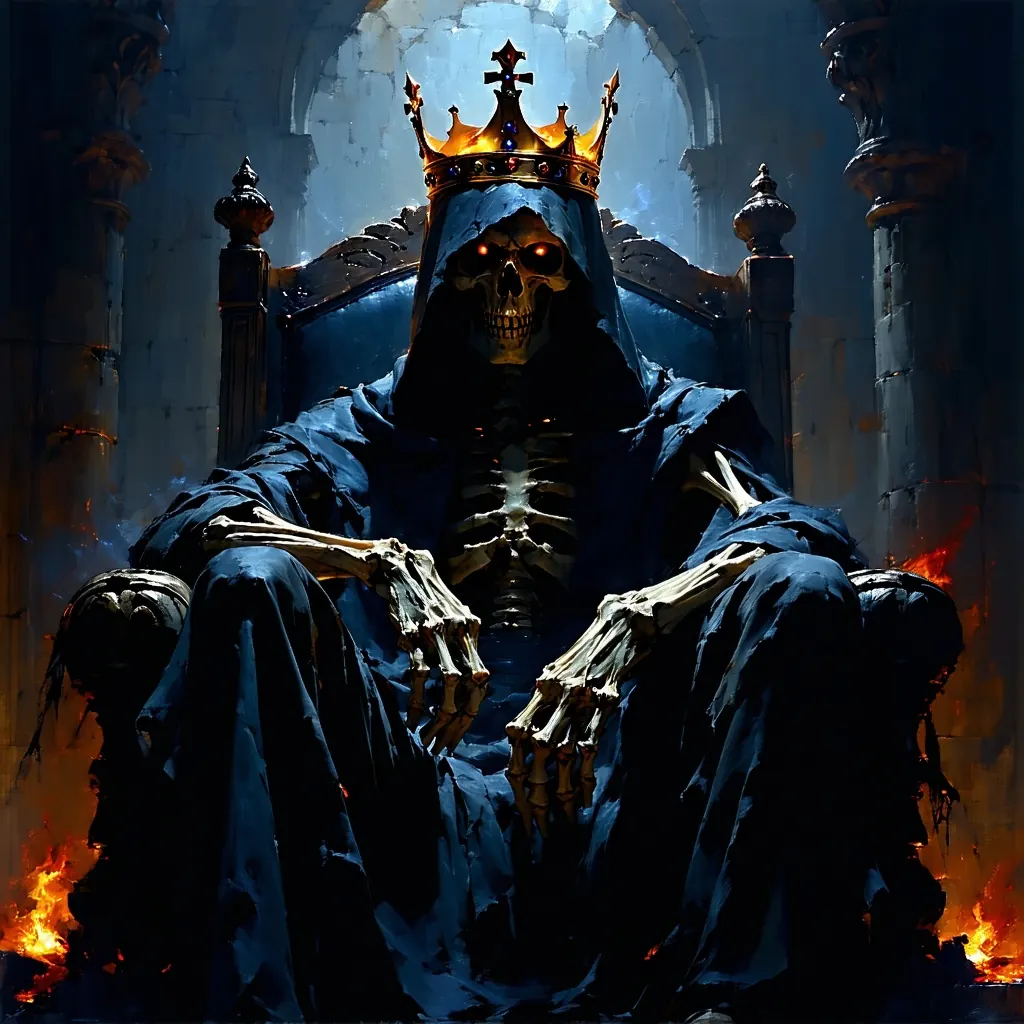
Eight centuries of isolation haven't softened Aldric's certainty that he was right. He sacrificed seven of his own knights for immortality, claims divine right for everything he's done, and offers Thomas a seat at his eternal feast — genuinely confused why anyone would refuse. The King is the third face of the pattern, and the most self-deluded.
Pharaoh Kha-em-Waset — Antagonist, Book 4
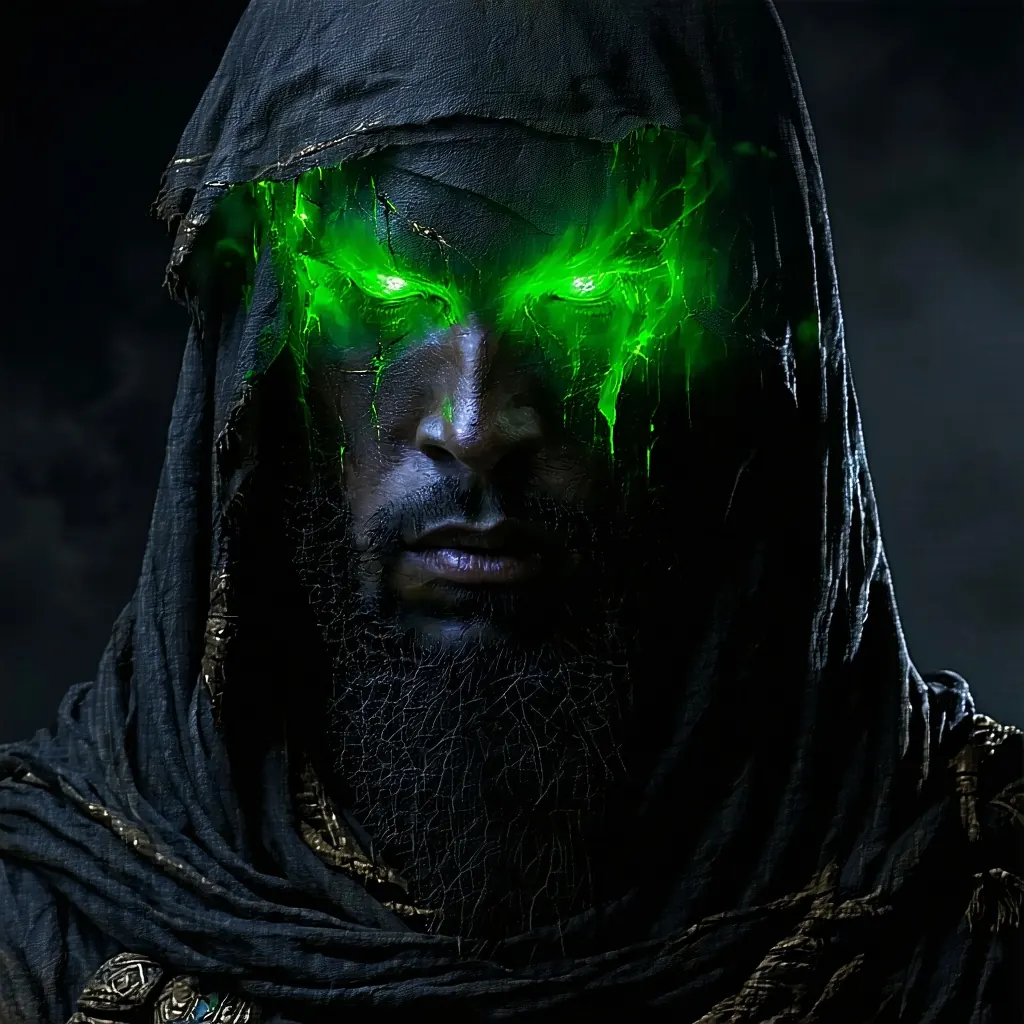
The Living God. The Eternal King. Three thousand years of condemnation haven't broken Kha-em-Waset's conviction that he was imprisoned unjustly. He perverted the sacred mummification rites into something terrible in his quest for godhood — and like every Doctor before him, refuses to accept that he caused his own suffering through his refusal to grieve honestly.
The Architects — Ultimate Antagonists
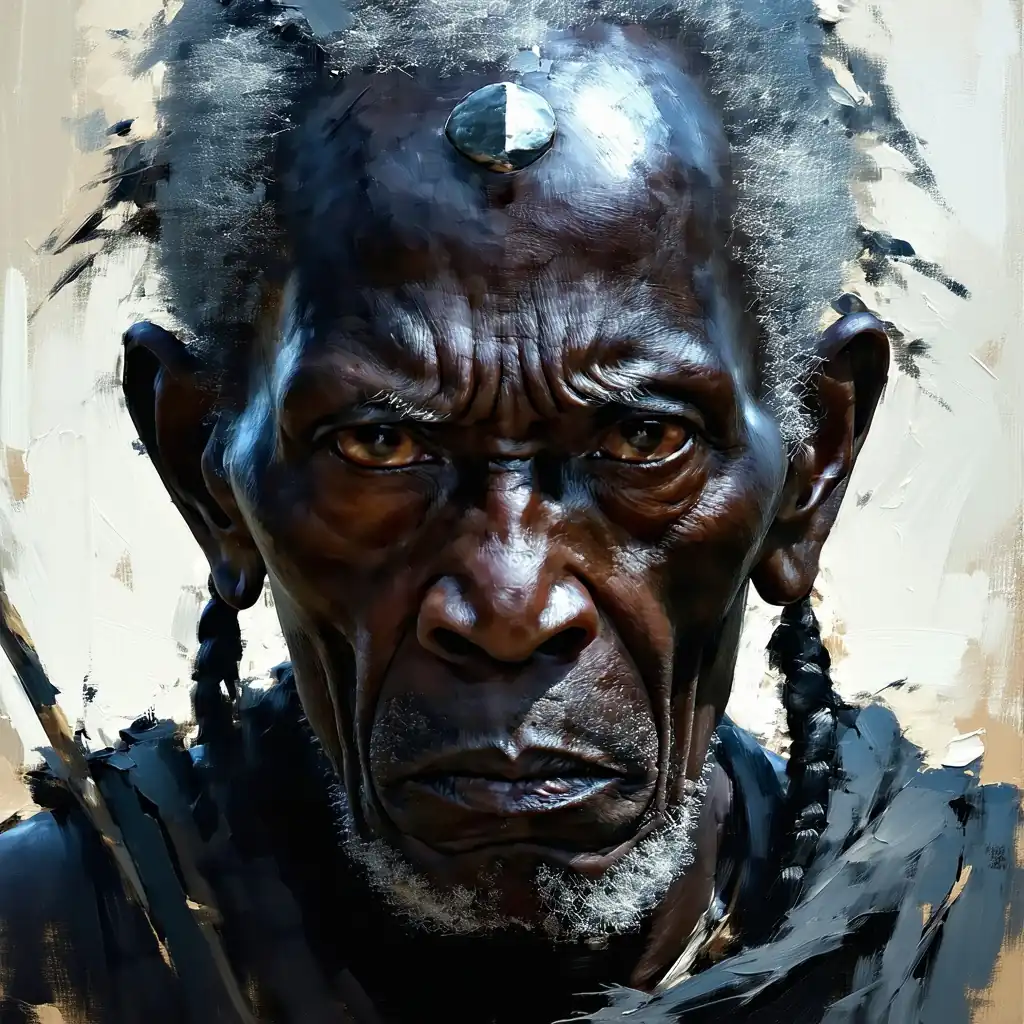
The hands behind the entire Network. The Architects created the system that connects all four nightmare locations, and they don't appear directly until late in the series. When they do, their offer is unexpected: willing transformation, with full knowledge of the cost. They are not what you think they are.
What This Series Is Really About
Escape is built around eternal cycles and inescapable fate. Around what memory loss does to identity when it happens over and over. Around grief — specifically, grief that transforms into monstrosity when it refuses to let go.
The four nightmare locations aren't random. They're arranged to reveal a pattern across centuries: the same wound, wearing different faces, inflicting different horrors. Pattern recognition is the engine that drives the series. By the time you reach The Temple, you're reading every scene differently than you were in The Manor. The hopelessness is baked in. The beauty is in how Thomas keeps moving anyway.
For me, the most interesting question the series asks is whether the villains are wrong. They loved someone. They lost them. They refused to accept the loss. Is the refusal itself monstrous, or is the monstrosity just what that refusal looks like from the outside? The series doesn't give you an easy answer. I know I didn't write one.
Fans of escape-room horror, psychological dark fiction, and stories where the protagonist is genuinely, irrevocably in danger will feel at home here.
Content warnings: Extreme violence and gore, body horror and transformation, psychological torture, death and dying, claustrophobia and burial, religious desecration, child death mentioned, suicide themes, hopeless ending.
Escape is part of Lincoln Cole's connected fiction universe — a shelf of series that share characters and lore.
Lincoln Cole also builds voice games for Amazon Alexa — explore the Alexa games.
Every available book in Escape is in Kindle Unlimited — read it free with your subscription, or buy your copy on Amazon.

Join the Discussion