Some books start with a character. Some start with a plot twist you're working backwards from. Last Light in the Dark started with a radio operator who kept insisting everything was fine.
I was thinking about what makes horror stick. Not the jump scare, not the monster in the hall. The phone ringing in an empty house. The too-calm voice on the other end. That gap between what you're being told and what you can see with your own eyes. That's the thing that lingers after you close the book and turn off the light.
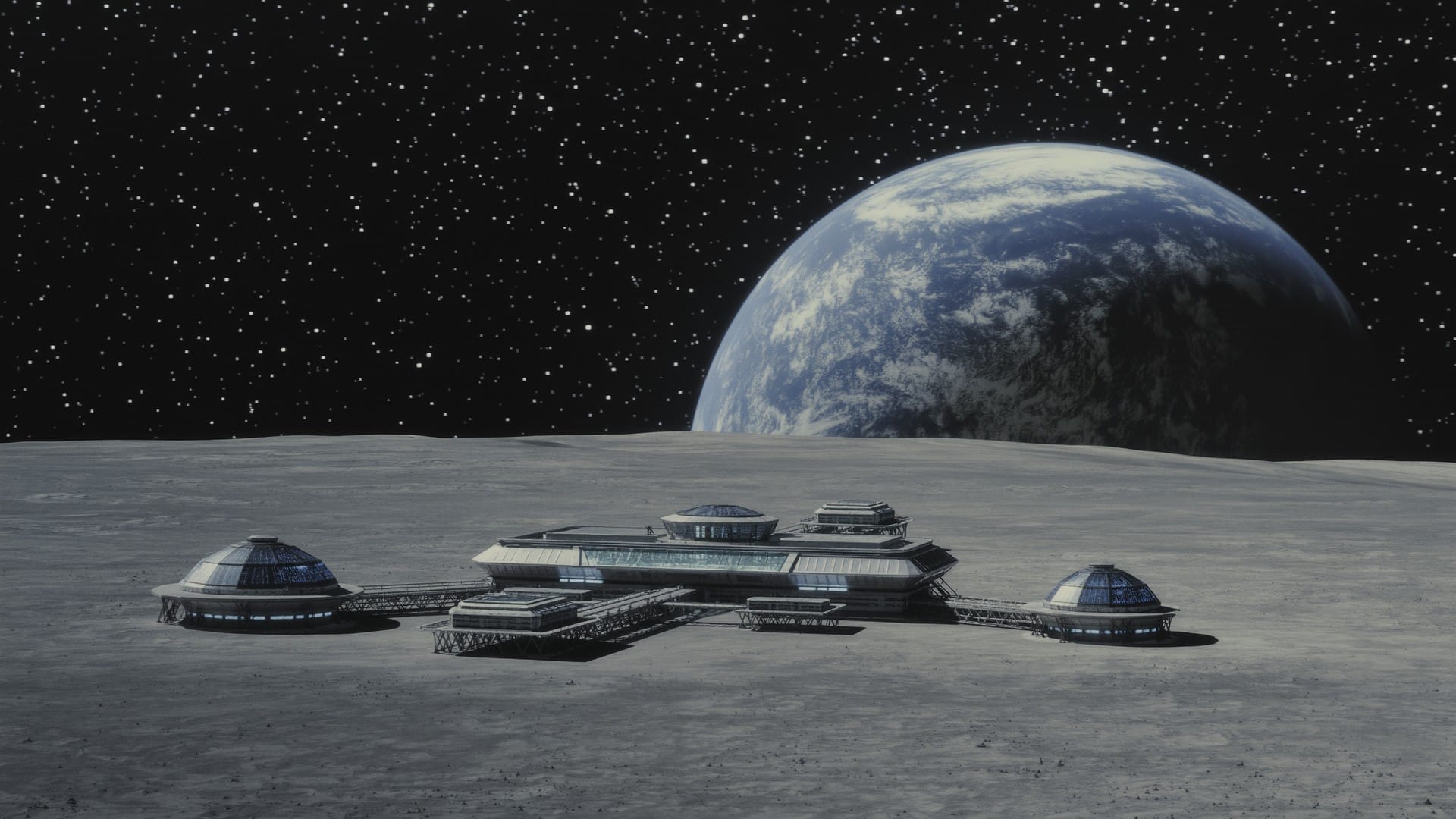
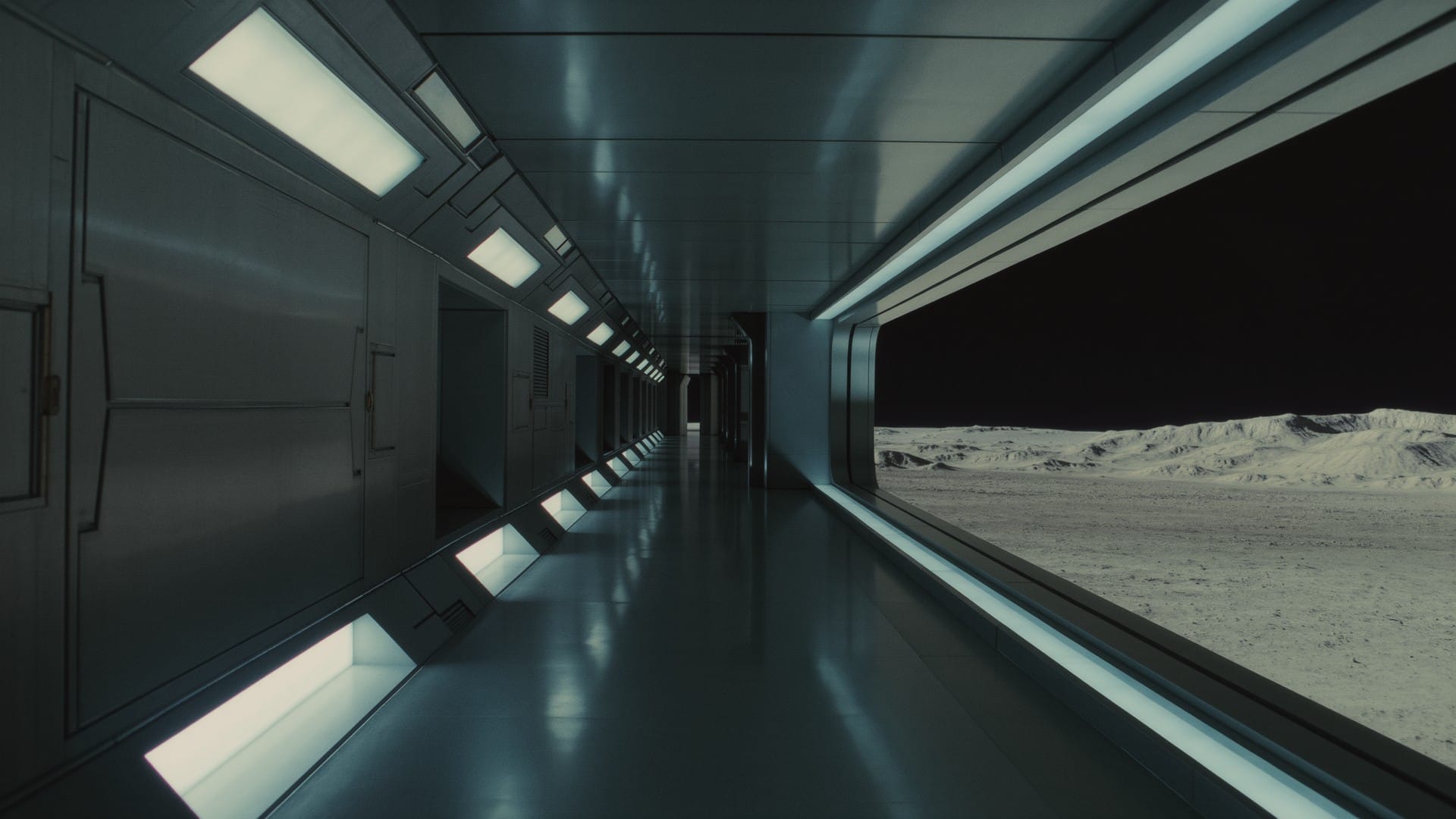
So I built a moon base. A crew arrives and everything is wrong — dust on every surface, no people anywhere, but equipment still running. And there's a radio operator on the line just repeating that everything is “hunky dory.” Despite fresh scratches in the ventilation shafts. Despite the hangar door that shouldn't have opened. Despite the fact that nobody's been on the base for weeks.
That's where it started.
The Last Light series has been one of the most ambitious things I've ever tried to write, and also one of the most personal. There's something about deep space horror that cuts right to it. Out there, you're alone in a way that has no equivalent on Earth. No cavalry coming. No getting off the station and going home. The dark isn't romantic. The dark is actual.
“The oldest and strongest emotion of mankind is fear, and the oldest and strongest kind of fear is fear of the unknown.”
— H.P. Lovecraft
“Any sufficiently advanced technology is indistinguishable from magic.”
— Arthur C. Clarke
“The universe is under no obligation to make sense to you.”
— Neil deGrasse Tyson
“Science fiction is the most important literature in the history of the world, because it's the history of ideas, the history of our civilization birthing itself.”
— Ray Bradbury
Why a moon base?
The moon base was always going to be a trap. That was the foundational design decision, right from the first outline. The setup — a salvage crew sent to investigate a solar system that's just gone dark — already tells the reader something terrible is waiting. The tension isn't “will something bad happen?” The tension is “what specifically is about to go wrong, and how badly?”
Moon Base X-95-A needed to feel like it had a life before things went sideways. That meant designing the space with the assumption that real people had worked there. People who complained about the food processor in the east wing. Who had a running joke about whoever kept leaving tools in Bay 7. Who drew bad cartoons on the whiteboard in the break room.
The moment you treat a setting as scenery instead of a place that existed, readers feel it. They don't always know what they're feeling — it just reads as flat, somehow hollow. The fix is to build the before. Even if none of that detail ends up on the page, it informs everything that does.
For X-95-A, I spent a lot of time thinking about the routine of the base. What the schedule looked like. What shift rotations happened. What the hangar looked like when a crew returned from a survey mission — where they parked the equipment, what the post-mission checklist was. Because then when Marcus and his team arrive and find the hangar empty and covered in dust, the wrongness is specific. You can feel the shape of what's missing.
The “hunky dory” radio operator was one of those details I wasn't sure about until I wrote it and then immediately couldn't imagine removing it. There's something deeply unsettling about a cheerful automated message in a place that's clearly anything but. It's the equivalent of a smile that doesn't reach the eyes. The base is telling you everything is fine. The base is a liar. And you know it's a liar, and you can't do anything about it, because you need to go inside anyway.
That's the other design choice built into the moon base: there's no good option. The dropship gets destroyed early. Now the crew is on a moon inside a sphere of absolute darkness with no communications, no rescue, no way out except forward. Horror works best when the audience can't find the exit. Not because the author is torturing them, but because that's what real danger feels like. You don't get to choose the convenient moment to leave.
The 23-kilometer trek across barren lunar surface at the end of Book One — that came from the same logic. Even if they survive the base, even if they beat back everything hunting them in those tunnels, they still have to walk 23 kilometers in suits that might not hold, across a surface that should kill them, to reach a ship that might not be there. I wanted the victory to cost something. I wanted readers to earn it alongside the characters.
The Veil: when the darkness swallows a solar system
Here's the thing about cosmic horror — it doesn't work if you explain it too clearly.
H.P. Lovecraft understood this instinctively. The horror in his best work isn't the monster you can see. It's the implication of the monster. The footprint that's too large. The geometry that shouldn't be possible. The idea that the universe contains things that don't just not care about humanity — they don't even register us as something worth not caring about.
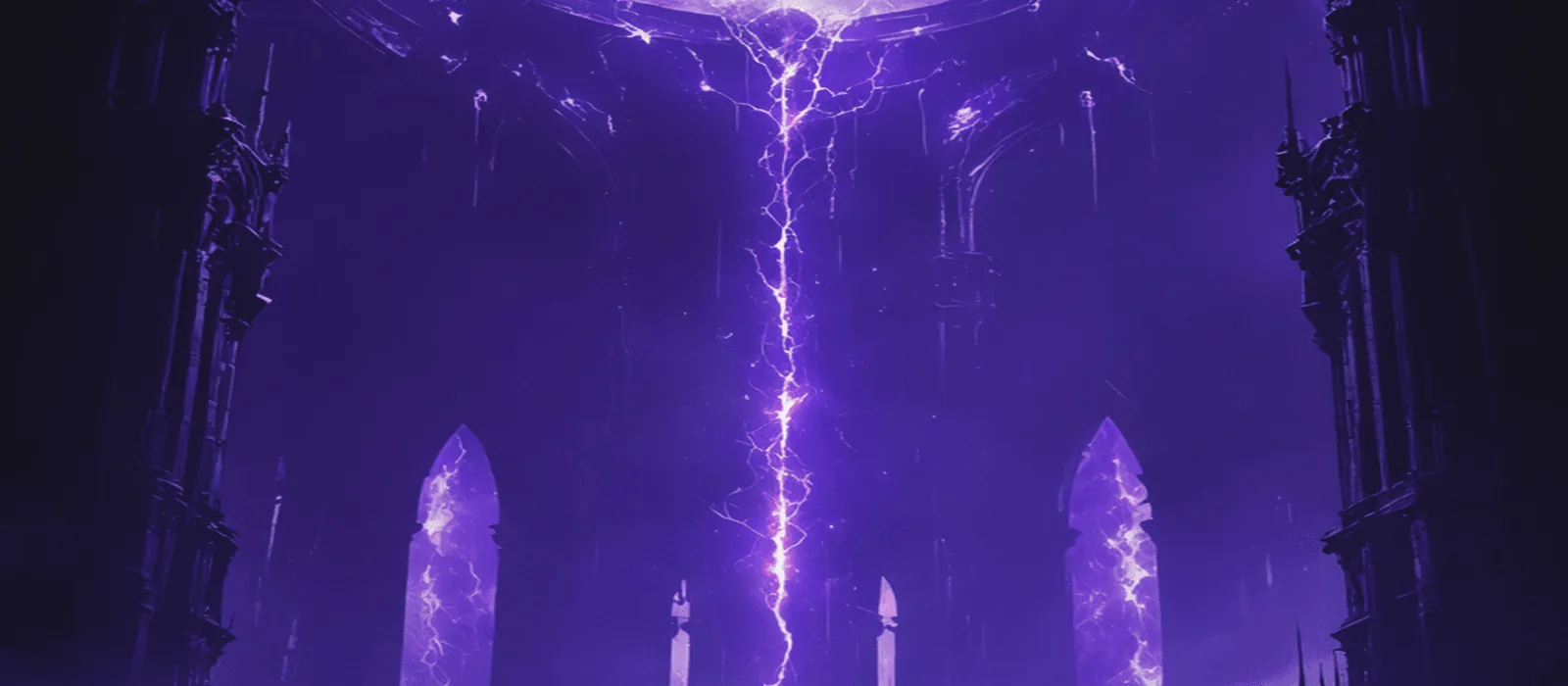
The Veil came out of that idea taken to its logical extreme. What if the darkness itself was the threat? Not a dark place you could escape, but darkness as a phenomenon — a sphere of absolute blackness that has swallowed an entire solar system. No light escapes. No signals penetrate. Everyone sent inside vanishes.
The scale matters here. A single haunted room is terrifying. A haunted house is more so. A haunted town. A haunted country. What I was going for with the Veil was a haunted solar system — and then asking what would happen if you sent people inside anyway, because humans are stubborn and desperate and sometimes we do exactly the thing we know we shouldn't.
Writing the Veil required being very deliberate about what I didn't explain. The urge when you're building a sci-fi horror setting is to give the reader too much — the backstory, the mechanism, the why. But explaining the Veil fully would have killed it. The point is that it doesn't make sense. That's the horror. A natural phenomenon that size should be understood by now. Scientists should have classified it. Papers should have been written. But no. Just darkness. Just absence. And everyone who goes in doesn't come out.
What I gave readers instead were implications. The crystalline alien city beneath the lunar surface — something was here before. The ancient organism in Book Two that has been absorbing civilizations for 20,000 years — it isn't the original threat either. It's running from something. And what it's running from — the Silence — exists at the galaxy's edge and even ancient beings are terrified of it.
One thing I've learned is that a threat becomes more frightening when it has context. When you realize the entity absorbing everything in its path is itself afraid, the scale shifts. Now you're not just scared for the characters in the story. You're scared for everyone.
The Void in Book Three and beyond expands this. Kate carrying the darkness inside her. Dimensional rifts multiplying. The corruption spreading through generation ships. This is the part where the threat becomes systemic — not just “survive the mission” but “survive the century.” The horror stops being about one crew on one moon and starts being about the end of everything.
I wanted that escalation to feel earned, not contrived. So every step of the Veil's expansion had to trace back to decisions made in Book One. The seeds are all there if you know where to look.
The Fist of the First Citizen
Of all the elements in the Last Light series, the Fist of the First Citizen is the one I get asked about most. And honestly, I understand why.
There's a particular flavor of horror in what I'd call the corrupted guardian — the figure who was once meant to protect, who was good at protecting, who maybe even believed in what they were protecting. And then something went wrong. Not villainous wrong. Not mustache-twirling wrong. Just broken wrong. The thing that should have kept you safe is now the thing hunting you through the dark.
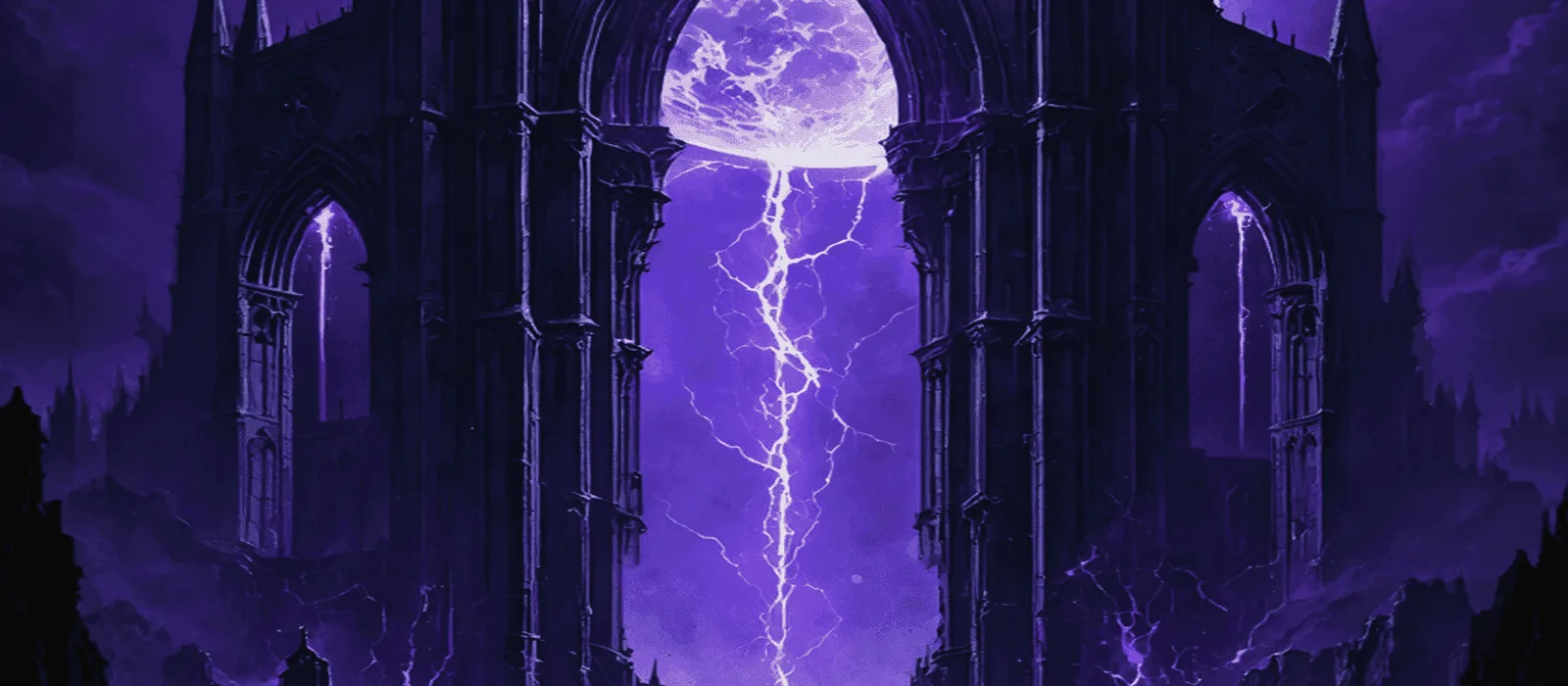
The Fist is an augmented supersoldier. The title “Fist of the First Citizen” tells you something about the era that created him — a government formal enough, or maybe authoritarian enough, to have a title like that. He was elite. Probably the best at what he did. Probably proud of it.
And then he got left in the dark. For two hundred years.
Here's the problem with writing that character: you can make him a monster or you can make him tragic. The easy choice is the monster — a killing machine in a human suit, implacable and relentless, something to run from. That would have worked. But it wouldn't have been interesting for very long, and it wouldn't have said anything worth saying.
What's actually terrifying about the Fist is not his augmentations. It's that two hundred years in the dark, alone, without contact, without purpose — that would do something to anyone. And he was already a weapon designed for extreme conditions. Whatever was human in him didn't disappear. It warped. It found a logic that worked in that environment and held to it.
I spent a long time thinking about what you'd hold onto. If your original mission was long dead. If everyone you knew was gone. If the only thing you still had was the fact of your own survival and the fact that you were good at survival. The Fist didn't go mad in the cinematic sense. He went practical. He went still. He found a rhythm in the dark and he kept it.
That makes him more dangerous, not less. There's nothing irrational about him. He's patient. He's efficient. He knows those tunnels better than the people who built them, because he's been living in them for longer than the people who built them have been dead.
The “corrupted” designation isn't just physical, though the augmentations have certainly changed in two centuries without maintenance. It's what happens when something built for one purpose has that purpose stripped away and keeps running anyway on whatever fuel is left. The trick with a character like that is keeping the tragedy visible. He's not a villain in the way that requires contempt. He's a villain who requires something more uncomfortable — understanding.
Get out there and build something terrifying
Last Light Rising — the fourth book in the series — is coming, and the worldbuilding questions it raises are the ones I've been most excited about. Kate trapped in the dimensional barrier. Chelsea Park making an impossible choice. The galaxy-scale war humanity isn't winning yet.
If you haven't read the series yet, this is a good time to start. It doesn't ask you to have any patience for slow burns — it drops you into the dark immediately and keeps you there.
The honest answer to “how do you build a setting like this” is: you start with what scares you and you follow that thread wherever it goes. The moon base came from real claustrophobia I've felt in enclosed spaces, and from the specific dread of communication systems that tell you the wrong thing. The Veil came from thinking about darkness not as absence but as presence. The Fist came from the question of what survives in isolation.
For me, I've always been most interested in horror that has a philosophical spine — that is actually about something underneath the tension and the monsters. What does it mean to keep going when your original purpose is gone? What do you owe to something that terrifies you? What's the price of being the person who can talk to something no one else can reach?
Those are the questions the Last Light series keeps coming back to. The moon base was just the first door.
Pick up Last Light in the Dark and start from the beginning — and keep an eye on llitd.com/books for when Last Light Rising drops.

Join the Discussion