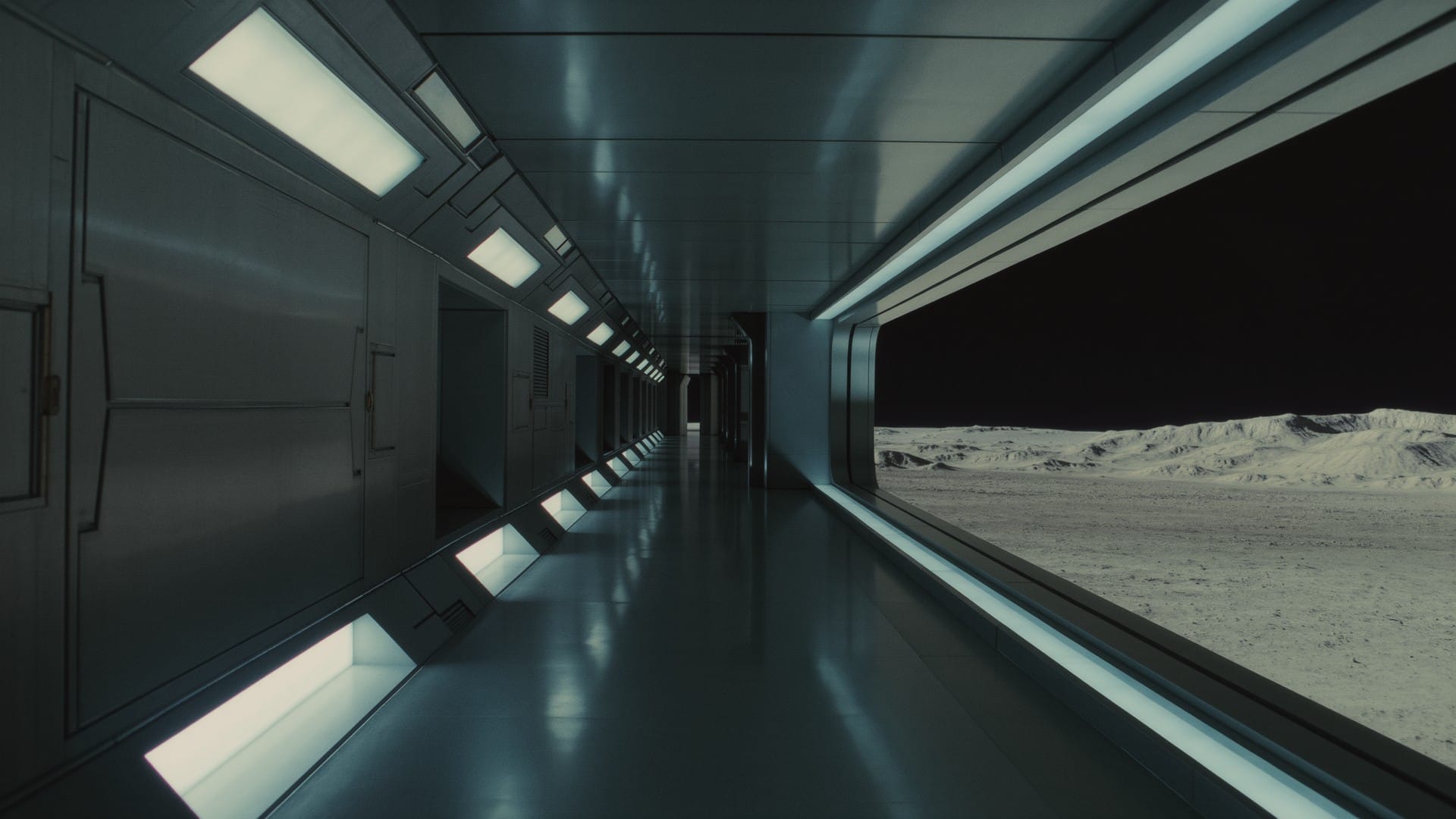

I spent three months researching moon bases before I wrote a single chapter of Last Light in the Dark. That might sound excessive for a horror novel. After all, the moon base in the story gets corrupted into a living organic nightmare by the end of chapter four. Why bother with accuracy if you're going to melt the walls?
Because the horror only works if the thing being destroyed felt real in the first place.
"Science fiction is the most important literature in the history of the world, because it's the history of ideas, the history of our civilization birthing itself." — Ray Bradbury
"The setting is a character. Treat it with the same respect you'd give your protagonist." — Ursula K. Le Guin
"Get your facts first, then you can distort them as you please." — Mark Twain
The real moon base race
Here's something wild: while I was writing a fictional moon base being consumed by an alien corruption, NASA was planning a real one.
In March 2026 — literally weeks ago — NASA unveiled a $20 billion plan to build a permanent lunar settlement near the moon's south pole under the Artemis program. The plan breaks down into three phases across seven years, starting with Phase 1 (2026-2028) focused on getting reliable surface access, then Phases 2 and 3 (2029-2032) involving 27 launches to deploy habitation modules and advanced exploration vehicles. They scrapped the Gateway orbital station entirely to focus resources on the surface. The target is sustaining crews for 28-day rotations by 2033.
Artemis II launched on April 1st, 2026, sending four astronauts on a lunar flyby — the first humans in deep space since Apollo 17 in 1972. The first crewed landing is now targeted for the Artemis IV mission in early 2028.
We are building a moon base. Right now. In real life.
How I designed the base
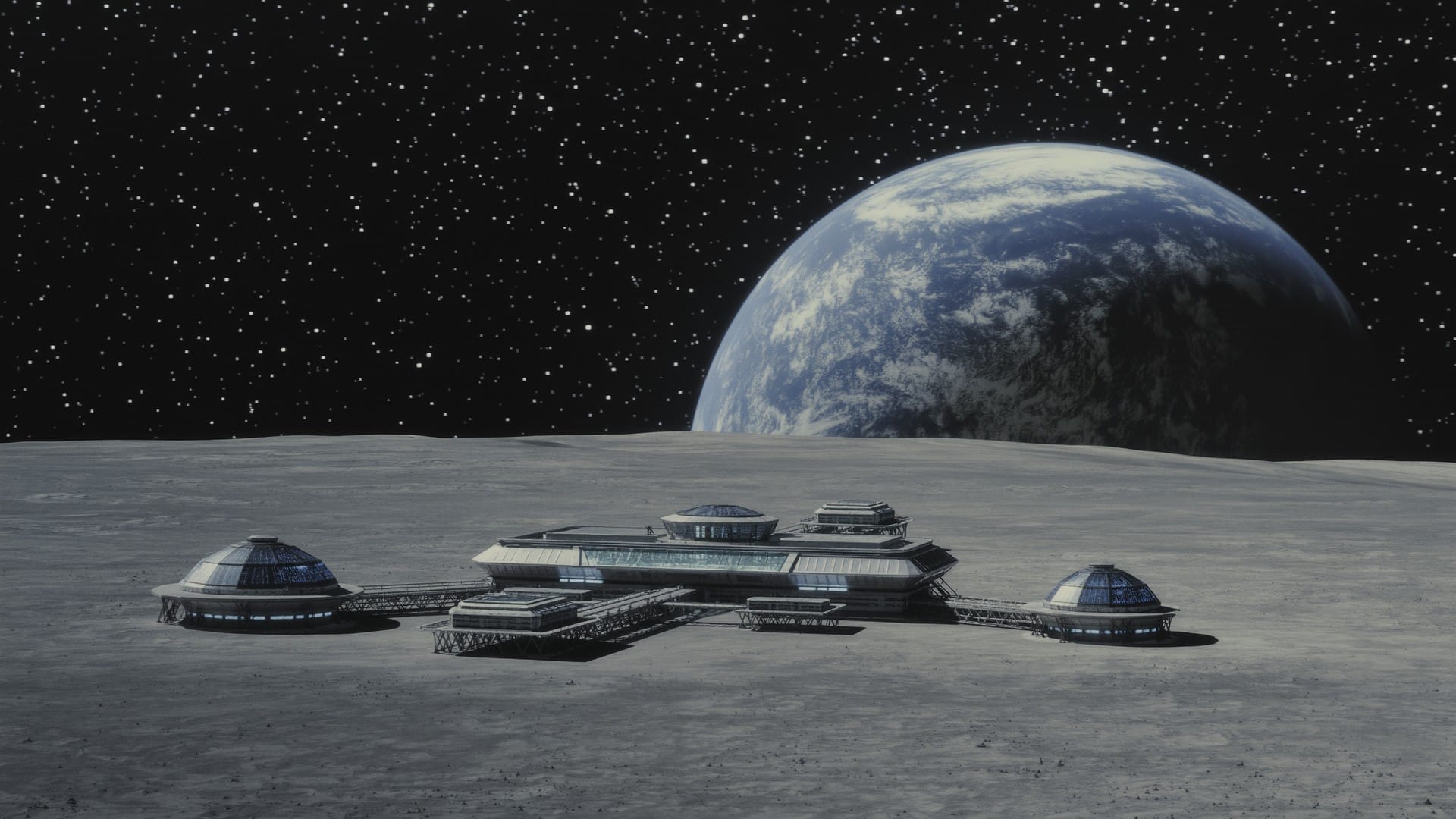
The moon base in Last Light isn't a single building. It's a sprawling complex that grew organically over decades — labs, residential quarters, a hydroponics bay, a medical wing, maintenance tunnels, and an underground section that extends into natural cavern systems beneath the lunar surface.
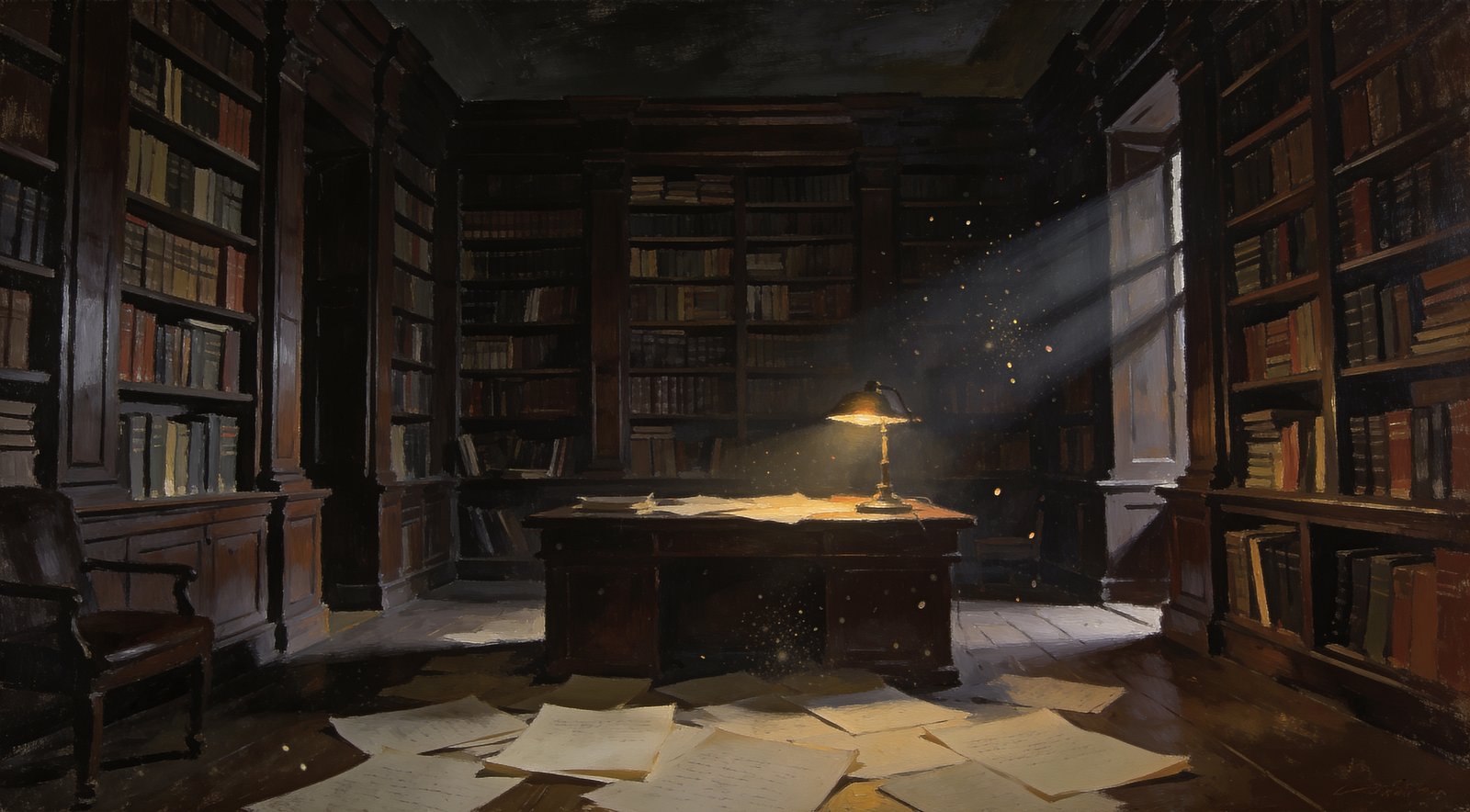
The trick is, I wanted it to feel lived in. Not a sterile NASA concept render, but a place where coffee mugs sit on consoles and someone's kid left a drawing taped to the wall of the rec room. Plumbing that leaks. Emergency protocols that nobody remembers because nobody ever needed them.
I based the layout loosely on how the International Space Station evolved. The ISS wasn't designed as a unified structure — it was assembled module by module across years, by different countries, using different engineering standards. The result is a functional but messy habitat. Sections don't quite match up. Cables run through corridors because they were added after construction.
That's the aesthetic I wanted. A place that humans built in pieces, over time, with limited resources and competing priorities.
The underground problem
One detail that ate up weeks of research: what would underground lunar construction actually look like?
The moon doesn't have plate tectonics, which means any underground spaces — lava tubes, cavern systems — are ancient. Billions of years old. Lunar lava tubes can be up to 500 meters in diameter, vastly larger than anything on Earth, because the moon's lower gravity allows the tubes to remain stable at sizes that would collapse here. The Japanese SELENE orbiter confirmed the existence of several large lava tubes beneath the moon's surface, and scientists have long proposed using them for human habitation because they provide natural shielding from radiation, micrometeoroids, and the extreme temperature swings of the lunar surface.
In Last Light, the base extends into a natural cavern system that the original colonists discovered during construction. They built deeper into it because it was easier — and cheaper — than building new surface structures.
The caverns also gave me something else: atmosphere. Long corridors of rough lunar rock lit by industrial lighting. The feeling of being underground, of the weight of the moon above you. When the corruption starts transforming the base, it starts down there. In the places nobody goes. In the deep sections where the lighting doesn't reach.
The train
One of my favorite details in the series is the train.
The moon base is big enough that walking between sections takes too long, so the colonists built a small rail system connecting the major hubs. Think of it like a subway, except it runs through pressurized tunnels beneath the lunar surface. Two cars, automated, running a simple loop. Utilitarian. Boring.
Until it isn't.
I won't spoil what happens to the train. But I'll say this: some of the best horror comes from corrupting mundane things. A train that runs on a loop is predictable and safe. A train that runs on a loop through a base that is actively transforming around it is something else entirely. Where does it go now? What's at the next station? Are the stations even there anymore?
Sound and silence
Here's a detail that changed the entire tone of the series: sound doesn't travel in vacuum.
Obviously. Everyone knows this. But when you're actually writing scenes set in a pressurized habitat that's losing pressure, the implications get interesting. If a section of the base depressurizes, everything on the other side of that breach goes silent. You can see through the window. You can see people moving, things happening. But you can't hear any of it.
I leaned into this hard. Some of the most horrifying moments in the series happen in silence. Characters watching through glass as something unfolds on the other side, unable to hear anything, unable to help, unable to look away.
Chris Hadfield wrote about this in An Astronaut's Guide to Life on Earth — the way silence in space isn't peaceful, it's oppressive. It's the absence of something your brain expects to be there.
Why the details matter
For me, I've always believed that horror works best when the foundation is solid. If the reader trusts the world — if the setting feels real, if the science checks out — then when things go wrong, the terror is amplified. The reader isn't pulled out of the story thinking "that wouldn't happen." Instead, they're thinking "oh god, that could happen."
So yes, I spent three months researching moon bases. I read NASA reports. I studied lunar geology. I learned about pressure differential calculations and hydroponics systems and the psychological effects of long-term isolation in confined spaces.
And then I melted the walls.
Last Light in the Dark (Book 1) launches June 15th, 2026, and is available for pre-order now at $2.99. It's enrolled in Kindle Unlimited, so KU subscribers can read it free on launch day. Check out all three books at llitd.com/books.
Get out there and look up!
We're living in a time when the moon isn't just a setting for fiction anymore. Real humans are going back. Real bases are being planned. The frontier is opening, and with it, all the possibilities — and terrors — that come with pushing into the unknown.
The thing is, the unknown isn't empty. Not in real life, and definitely not in Last Light.
See you on the moon. Just watch where you step.
📖 Go deeper into the Last Light world
Last Light in the Dark
Read Last Light in the Dark on Amazon →Free with Kindle Unlimited.
More from this world:
Get the next story before the world does — join the Vanguard →


Join the Discussion