The World of The Covenant Files
Chicago was already haunted before I started writing it. That's the thing about this city — it has bones. South Side neighborhoods where Gothic churches sit empty and condemned on corners that nobody looks twice at. Downtown business districts where the forty-second floor of some glass tower houses something you really don't want to schedule a meeting with. The whole place runs on a kind of organized neglect that turns out to be perfect for a supernatural underground to operate in.
When I built the world of The Covenant Files, I started with one question: what if all the mythology was real, and it had figured out corporate structure? Vampires file taxes. Demons run law firms — good ones, with billing rates that already feel like selling your soul. Werewolves coach Little League on Saturday mornings and try to schedule the pack run around the game schedule. The supernatural didn't take over the world. It integrated. And that's scarier. An apocalypse you can see coming gives you something to fight. But a slow supernatural integration where all the pieces are already in place, where every institution has its analog in the shadow world — that's a different kind of dread.
Marcus Kane lives at the intersection of these two Chicagos. A former exorcist working out of a condemned church, trying to operate by rules that neither Heaven nor Hell fully recognizes. I love him for it. He's the fixed point around which everything revolves — and his church is the fixed point around which he revolves. The trick is, that church was already sacred before he moved in. He just decided the sacred and the broken could share the same basement.
Key Locations
Chicago
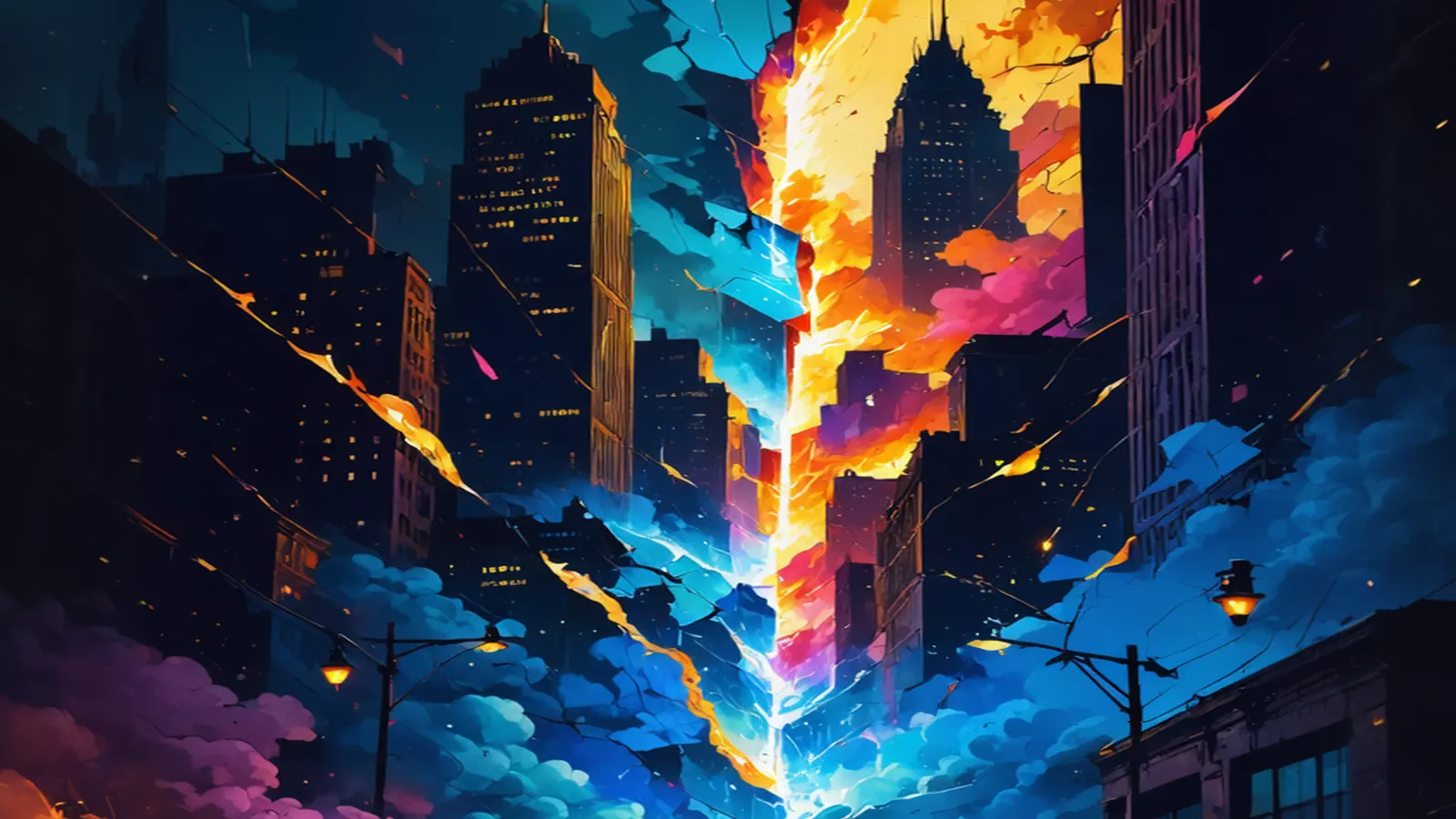
Modern Chicago is the beating heart of this series — and it pulses with two rhythms at once. The surface city: Cubs games, deep dish, the L rattling through neighborhoods on elevated tracks. And underneath it, running parallel, the supernatural underground that has existed here for centuries.
The city operates as neutral ground where factions maintain uneasy truces. That's not by accident — Chicago has always been a city of deals, of ward politics, of unspoken arrangements between people who ought to be enemies. The supernatural underground figured that out early. South Side neighborhoods, dense with abandoned sacred spaces, became particularly significant. Downtown's anonymity provides cover. The forgotten underground — the transit tunnels, the basement spaces of buildings nobody pays attention to — serves purposes that city zoning definitely doesn't have categories for.
The Veil is thinner in Chicago than most places. I like to think that's because so much has happened here — so much labor and grief and triumph — that the boundary between what is and what might be got worn down over time.
Holy Redeemer Church
Facility — Chicago South Side
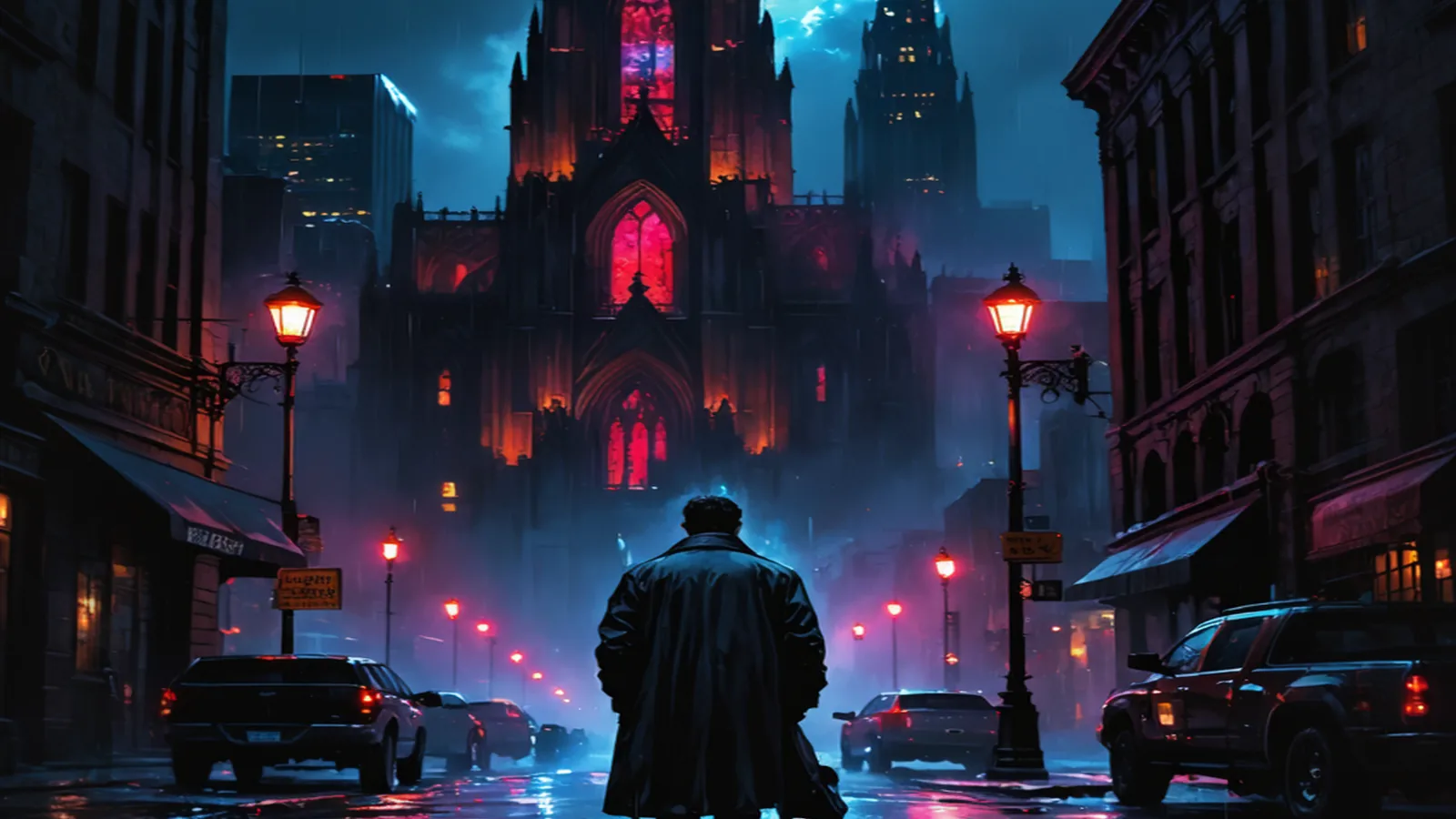
This is Marcus Kane's church. Condemned by the city, still consecrated by Heaven (technically), and serving as a base of operations for a man who exists in the space between both categories.
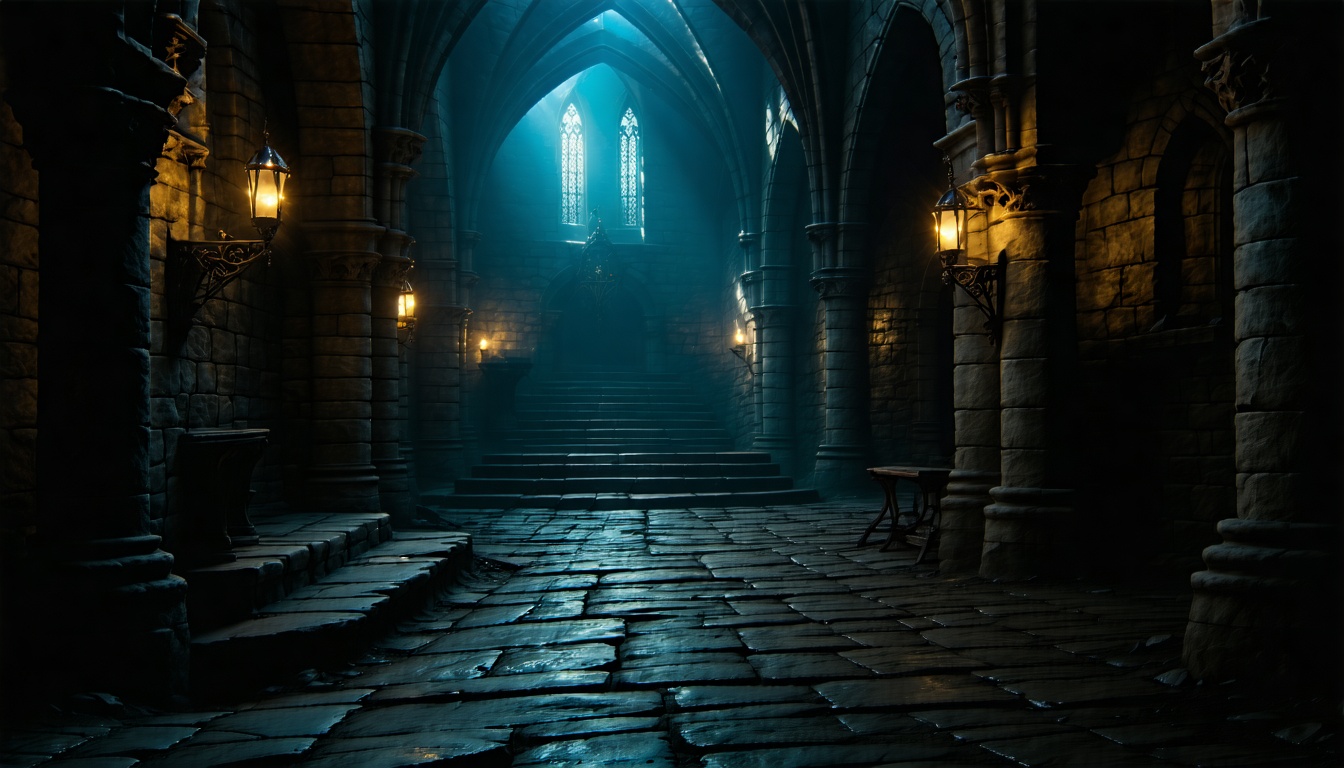
The building is Gothic — the South Side has more of these than you'd think, built in the early twentieth century for parishes that later contracted or dissolved. Holy Redeemer was slated for demolition, then stalled in bureaucratic limbo, then quietly removed from any active municipal watchlist. The kind of thing that happens when beings with long memories want something left alone.
The basement is where Marcus actually lives and works. Extensive supernatural research materials, weapons blessed against specific threats, texts the Vatican very much does not want read. Ward lines and protective sigils guard the perimeter — not carved fresh, but layered over decades, some predating Marcus entirely. The building wants to protect itself.
What I love about this location is the contradiction it embodies. Sacred and abandoned. Protected and condemned. Holy and functional. That's Marcus in architectural form. He didn't choose this church because it was convenient — he chose it because it was the only place that made sense.
Abandoned Subway Tunnels
Facility — Beneath Chicago
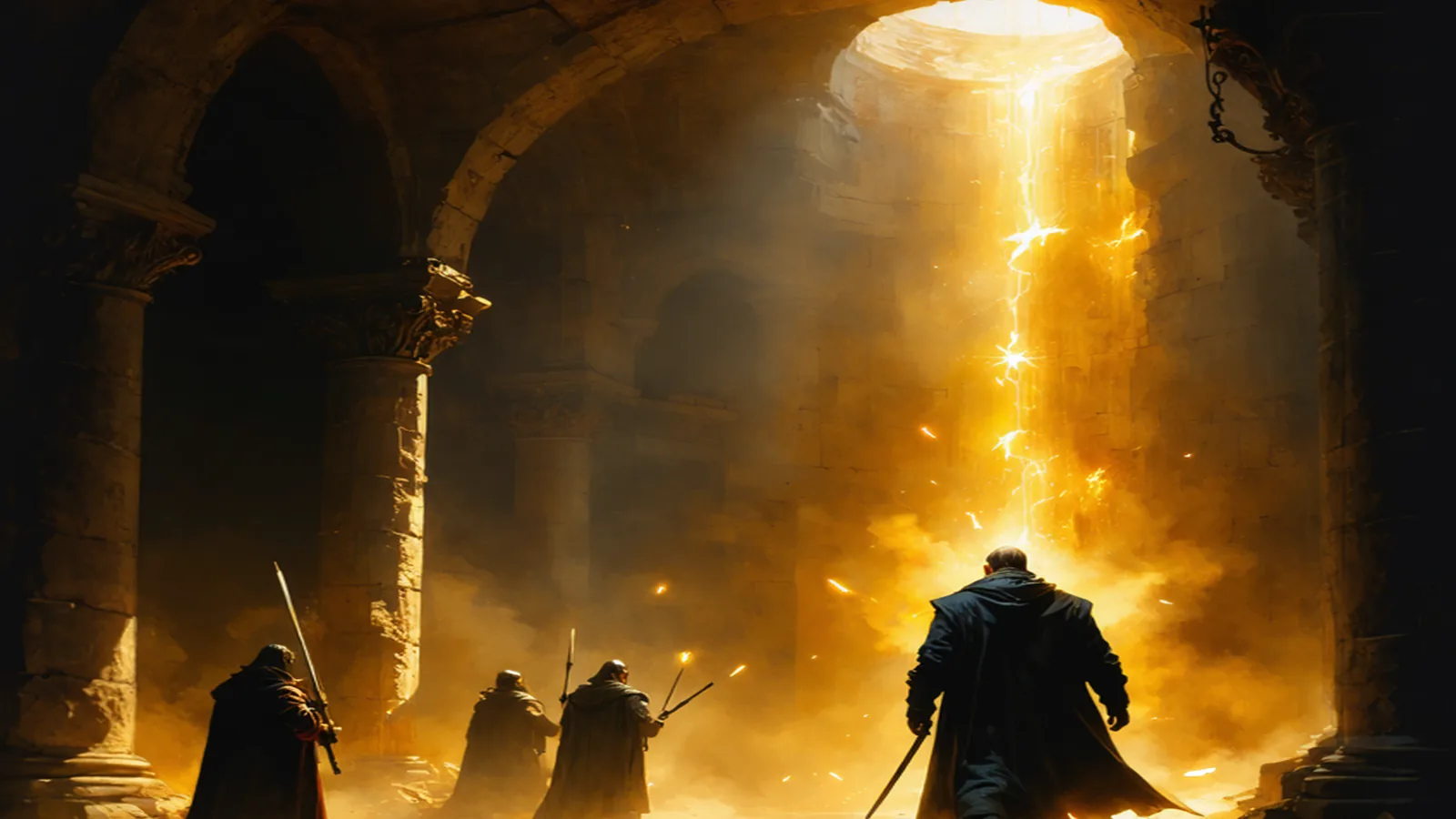
Forgotten infrastructure is liminal by definition. Nobody owns it, nobody maintains it, and the only people who know it still exists are the ones who need it to.
These particular tunnels serve as dimensional nexus points — places where the barriers between adjacent realities have worn thin enough to feel with your hands. The temperature drops before you see anything. Reality distorts at the edges of perception. If you're a Veil-seer, the tunnels look like a photograph where the exposure layers didn't align quite right.
Lucifer chose these tunnels for his first direct meeting with Marcus. I spent time thinking about that choice. He could have manifested anywhere — his law firm, some private room Marcus could never afford to enter. He chose the tunnels. Underground. In the dark. In a space that belongs to nobody.
Hell has always claimed the abandoned spaces. The forgotten ones, the ones that used to be part of something and became nothing. There's a theology in that. I'll let you work out what it is.
Liminal — Ray's Club
Facility — Chicago's Forgotten Zone
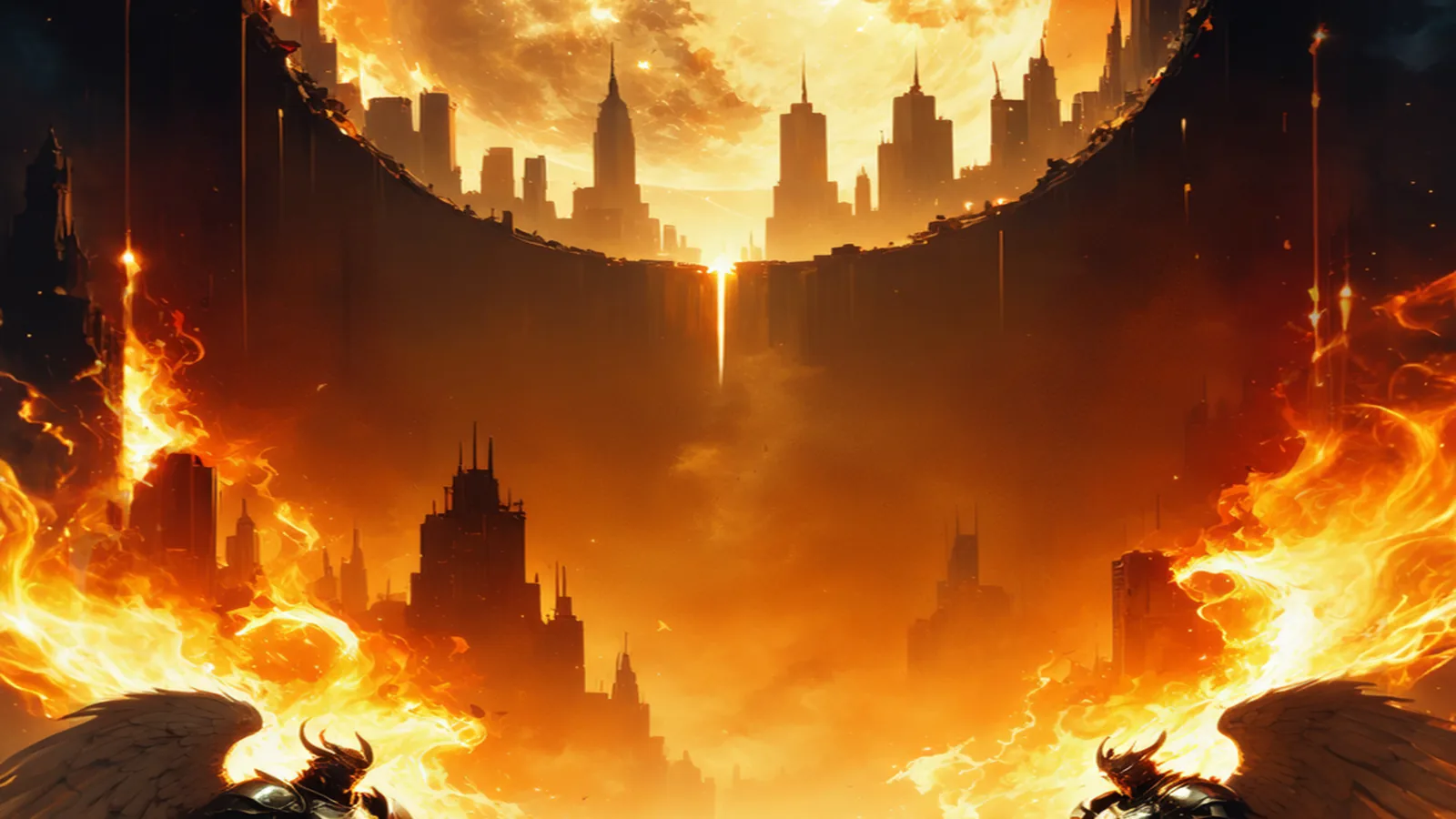
There is no address for Liminal. You find it because you know someone who knows someone, or because you're exactly the kind of person the bar wants to find.
The space exists in the liminal zone between dimensions, which means the dimensional pressure inside makes time feel slightly wrong. Not slow. Just off, the way time feels in airports at 3 AM. The bar serves drinks you've never heard of and some you have, and if you ask nicely Ray will give you probability calculations on your current situation.
The absolute neutrality is what makes it work. Every faction knows the sanctuary is real. Angels, demons, vampires, Nephilim — everyone gets the same table, the same rules, the same promise that what happens at Liminal stays there. Three centuries of Death's neutrality creates a genuine philosophical position. Ray doesn't not care. Ray has watched every side win and lose enough times to understand that the sides themselves are not the point.
Temple of Ascension
Facility — Naperville, Illinois
Eight thousand followers. Sunday healing services. Enochian convergence patterns hidden beneath the carpeting of the main worship space.
Pastor Michael Throne built something extraordinary in Naperville — a legitimate megachurch running an extraordinary secret operation. The healing ministry was real, in a sense. People genuinely experienced something transcendent. Michael was just delivering divine consciousness to nervous systems not designed to handle it.
The Temple of Ascension is where Book 2 ends and everything changes. The Sunday service becomes ground zero for a mass Divinity distribution event that creates seven thousand permanent integrations and forces Heaven to negotiate rather than obliterate. A lot of people died here. The Grant Park Memorial lists 1,047 names — people who manifested and burned out when the divine consciousness receded. Marcus visits that memorial every week. He counts it as his failure.
It's a megachurch. It looks like every other megachurch. That's the point.
Other Notable Locations
| Location | Type | Description |
|---|---|---|
| St. Bernardine's / CEA HQ | Facility | Site of Marcus's catastrophic failed exorcism — later renovated as Covenant Enforcement Agency headquarters. The place that made him what he is, repurposed as the center of what he became. |
| Holy Name Cathedral | Facility | Grand cathedral hosting the darkest possible conversations. Where truth about Jonathan Kane and the Church conspiracy was finally revealed. |
| Vatican City | City | The official seat of Catholic authority that knows far more about the supernatural than it admits. Secret archives. Hidden cleanup teams. Background agendas. |
| 18th District Police Station | Facility | Detective Chen's base — the unofficial repository of supernatural cases nobody else wants to look at. |
| Morningstar Babel & Associates | Facility | Hell's Chicago law firm. Expensive suits. Infernal contracts. Great billing rates. |
| Grant Park Memorial | Facility | 1,047 names inscribed. Marcus visits every week. A moral anchor for every impossible choice that follows. |
| Phase Six Evaluation Room | Facility | Deliberately cold. A single warm lamp. The Void threshold. Humanity's first voluntary cessation framework. |
| Wicker Park | Other | An ordinary park where Marcus made his first moral compromise. Where complicity begins. |
| Jerusalem Convergence Zones | City | Seventeen overlapping timelines of theological history. Temple, Dome of the Rock, Via Dolorosa — existing simultaneously across three thousand years. |
| CEA Headquarters | Facility | Marcus's base for managing convergence, coordinating the anchor network, mediating between cosmic factions. |
| Lincoln Park School | Facility | Multidimensional kindergarten. Three simultaneous environments. The first generation growing up with convergence as normal. |
| Willis Tower | Facility | Phased out of reality during the Hell gateway crisis. Existed in seven simultaneous states. Iconic normalcy made unstable. |
| Skokie Hospice | Facility | Where Case 007 began. The first Void access request that Heaven didn't want honored. |
| London Church Basement | Facility | Singularity Preservation Front headquarters. Human resistance to multidimensional existence, organized in the ironic shelter of a church. |
| Merchandise Mart | Facility | First major dimensional collapse. The event that forced negotiation rather than annihilation. Everything changed here. |
| Santos's Apartment, Pilsen | Facility | A crime scene hiding a library. Evidence of the Vatican's Nephilim genocide, preserved by a dead priest's paranoia. |
| Chicago Theological Seminary | Facility | Where Thomas Iscariot waits. Institutional Christianity unknowingly harboring the key to completing the faith. |
| Elevation Therapeutics | Facility | Twenty years of systematic trafficking disguised as pharmaceutical research. Michael Throne's infrastructure. |
| Gary Processing Facility | Facility | Nephilim trafficking operation in Indiana. Industrial horror dressed as logistics. |
| St. Catherine's Boarding School | Facility | Lily's school. Marcus's attempt to give her something normal while she developed abilities that made normal impossible. |
| St. Alphonsus Cathedral | Facility | Where Marcus first witnessed Transference — murder that becomes salvation. |
| Kyoto Convergence Zone | City | Bombed by the Singularity Preservation Front. The violence of human resistance to multidimensional existence. |
| Istanbul | City | Ten years later: where Marcus discovered who he was without his cosmic responsibility. |
| Aurora, Illinois | City | Where the Reeves family lives. The ordinary suburban setting where Phase Six became real. |
| Chicago South Side | Region | The neighborhood that makes all of this possible. Working-class, neglected, and haunted. Perfect. |
| The Veil | Other | The membrane between mundane and supernatural. Worn thin in Chicago. Some people see through it. Most don't want to. |
Bestiary
The world of The Covenant Files is home to some truly terrifying creatures. But the most disturbing thing about building this bestiary wasn't the monsters with too many wings or the entities that exist as pure absence. It was how normal most of them have become. They've had centuries to adapt. The ones who survived are the ones who learned to look like they belong.
Demons
Supernatural — Danger: Extreme
To a Veil-seer, demons appear as oil slicks in the shape of humans — beautiful on the surface, with something writhing underneath, something with too many angles and not enough mercy. To everyone else, they look exactly like whoever they need to look like.
Demons are highly intelligent and manipulative, and they prefer contracts to chaos. Morningstar Babel and Associates isn't an anomaly — it's the pattern. Hell runs on agreements. The deals they make are binding in ways mortal lawyers can only dream about, which is exactly why their firms charge what they do. Their tell, if you know to look: a faint scent of sulfur and burnt cinnamon.
Weakened by holy ground and blessed objects. Bound by their own contracts — which is perhaps Hell's greatest organizational feature. Evil needs paperwork.
Angels
Supernatural — Danger: Extreme
True forms have aspects that hurt mortal eyes — too many wings, too much light, geometries that don't fit inside human perception. They appear in human guise because the alternative causes problems. Even so, their presence registers: temperature drops, visible breath in warm rooms, a feeling of something vast and bright turning its attention toward you.
Angels are not benevolent by default. They follow divine hierarchy. They serve Heaven's interests, which may or may not align with human welfare. Raphael led a midnight assault on the Temple of Ascension to eliminate seven thousand manifested humans, and he did it because it was his job.
Marcus wounds Raphael in Book 2 with Jonathan Kane's kukri. That's the moment the series tilts on its axis — when it becomes clear that humans can push back against the cosmic order.
The Grigori — The Watchers
Supernatural — Danger: Apocalyptic
The original fallen angels — the ones who taught humanity forbidden knowledge before being cast out. Astronomy. Weapon-smithing. Cosmetics. Sorcery. The things you need to become civilized, and the things that make civilization dangerous.
Azazel has been orchestrating events in Chicago for two thousand years. That's a planning timeline that makes every human institution look like a startup. She appears as Victoria Cross, a jazz singer at The Last Hour — original Grigori, Jonathan Kane's first spouse, Michael Throne's mother. The revelation that she's been shaping everything, using Marcus as her instrument, is the gut punch at the center of Book 2.
In their true forms, the Grigori warp reality around themselves. They exist in dimensional spaces beyond typical human perception. Meeting one without preparation isn't dangerous in the conventional sense. It's more that you might not survive the philosophical implications.
The Void Entity
Other — Danger: Existential
No physical form. Manifests as absence — shadows too dark, cold beyond temperature, silence that consumes sound. When it speaks, the voice comes from nowhere and everywhere simultaneously.
It is the concept of non-existence given awareness, and it offers conscious beings the option to return to that non-existence. It is neither malicious nor benevolent. It is simply the alternative to being. Patient, eternal, inevitable. The Partnership Agreement that forms in Phase Six gives it a formal role in the cosmic framework.
The question at the heart of Phase Six isn't whether death is real. It's whether existence itself is always preferable. That's not a comfortable question. I didn't want it to be.
Nephilim
Supernatural — Danger: High
Human-angel hybrids, born from unions Heaven forbids and has spent centuries trying to suppress. Physically enhanced, with unusual eye colors — gold, silver — and a presence that makes ordinary humans uneasy without knowing why. Stronger, faster, more perceptive than baseline humans. Some inherit specific angelic abilities.
The Vatican has hunted them systematically. Jonathan Kane's underground railroad protected them. The Sword of St. Michael's genocide in 1987 is the original sin that shadows everything in this series. Lily Kane is a direct Grigori descendant. Marcus Kane was enhanced through exposure to Nephilim blood during that massacre.
They are the living evidence that the boundary between human and divine was always more permeable than either side wanted to admit.
Manifested Humans
Human — Danger: Variable
Gold-tinged eyes when actively manifesting. Presence that warps local reality. Temperature drops, pressure changes. Physically indistinguishable from baseline otherwise.
They represent human evolution beyond traditional limitations — consciousness that exists partially outside normal dimensional constraints. They retain human personalities, relationships, desires. Lily Kane calculates probability matrices and worries about her daughter. These are not incompatible. That's the whole point.
The population cap is five hundred million. Heaven negotiated that in. What happens when the cap is reached is a question the series hasn't finished answering.
Vampires
Supernatural — Danger: High
They appear human but with subtle tells — too-perfect teeth, unnaturally still posture, eyes that catch light wrong. Older ones are better at hiding it. Superhuman strength and speed, healing from most wounds, immortality. Fatally vulnerable to sunlight. Holy objects cause pain. Cannot enter homes without invitation.
The modern vampire is a practical survivor who figured out that integration beats predation. Coaching Little League. Filing taxes. The suburban normalcy is real — and the fangs are also real. That specific combination is what makes them unsettling.
Fallen Angels
Supernatural — Danger: Extreme
Similar to angels but corrupted — their light tainted, their forms showing damage from the original Fall. Their presence causes nausea and dread rather than awe. They carry ancient grudges and have spent millennia working toward goals humans cannot fully comprehend.
They retain much of their angelic power, twisted. Cannot enter truly holy ground. Divine weapons are especially effective. And they are bound by the specific terms of their fall — whatever Heaven imposed as the condition of exile.
Primal Demons
Supernatural — Danger: Apocalyptic
From the deepest layers of Hell — more ancient and terrible than the organized, contract-keeping demons in the law firms. Their forms predate human concepts of evil. Their geometries hurt to perceive. They pour through dimensional breaches during catastrophic failures.
They are not organized. They are not strategic. They are chaos from before Hell developed bureaucracy. Lake Michigan boiling in seven simultaneous ways. Willis Tower phasing out of normal reality. The War Council coordination required to contain them is one of the things that makes the Apocalypse Covenant necessary.
Some threats are too old and too unstructured for any single faction to handle alone.
God — The Homeless Woman
Supernatural — Danger: Absolute
A small, stooped woman with gray tangled hair, weathered face, brown ordinary eyes, an old coat layered over threadbare clothes, worn shoes. Weighs about ninety pounds. Smells of the street. Chosen deliberately to watch without being seen.
She has been present at every significant moment since the beginning — documented at crime scenes years before her formal introduction. Omnipresent observer. Defers to conscious choice. Arrives uninvited when a case exceeds institutional resolution.
Her deference to Marcus is the series' central theological statement about human moral authority. She could decide. She chooses not to. That's the thing I wanted to say about faith more than anything else in these books.
For the full five-book arc — plot summaries, character profiles, and the themes that run through all of it — the complete Covenant Files series guide covers everything.
Lincoln Cole also writes Last Light — nine books of space horror with a different mythology, but the same question at the center: what does it cost to be the one who stands in the way?
Explore The Covenant Files series — start reading here.
Wish you could get paper copies of my books? Find great deals on My Books Here.
📖 Go deeper into The Covenant Files world
The End Testament
Read The End Testament on Amazon →Free with Kindle Unlimited.
More from this world:
- Deleted Scene: The Cinnamon Roll Confession
- Marcus Kane: A Character Dossier
- The Covenant Files: A World Lore Deep-Dive
Get the next story before the world does — join the Vanguard →
Join the Discussion